 Wishlist
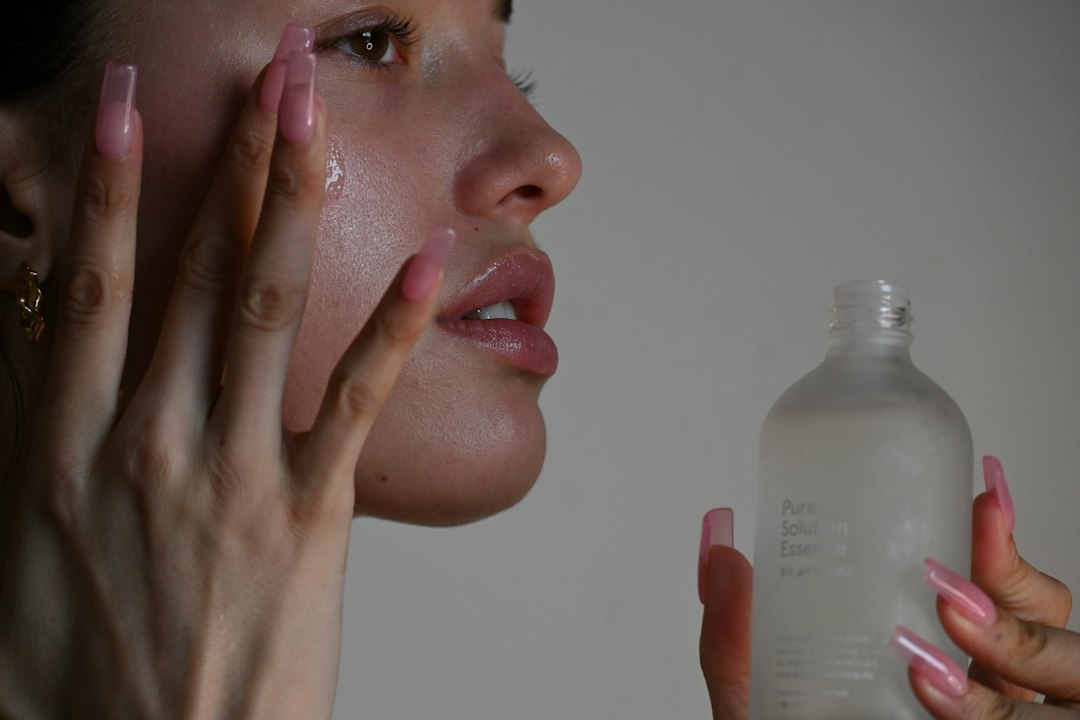
Recognize the problem: products sitting unused because you’re unsure what goes first
You’re at the sink with five bottles—cleanser, toner, serum, moisturizer, sunscreen—and you pause. Do you put serum over the toner or under the moisturizer? Is sunscreen a separate step or part of your moisturizer? The correct order to apply skincare products is a small habit with big results: it controls how ingredients penetrate, prevents irritation, and makes each product do what the label promises.
Quick, practical answer: the basic daytime and nighttime sequence
Use this simple sequence as your baseline. It’s the clearest answer to “what goes first?”
- Cleanser — remove dirt, oil and makeup.
- Toner or essence (optional) — rebalance and prepare skin.
- Treatments and serums — lightweight actives (vitamin C, hyaluronic acid, peptides).
- Thicker treatments — oils, creamy serums, and spot treatments (retinol or azelaic acid at night when prescribed).
- Eye cream — gently pat around the orbital bone.
- Moisturizer — lock in hydration and provide a protective film.
- Sunscreen (daytime only) — the final layer; apply at least SPF 30.
Why this order matters: the science in plain terms
Skin absorbs most effectively from the thinnest to the thickest formulation. Water-based serums reach deeper when applied before creams. Actives have different goals: antioxidants such as vitamin C neutralize free radicals and work best nearer the surface early in the routine, while retinoids alter cell turnover and need to be kept away from direct sunscreen exposure and layering with acids to avoid irritation.
Common reader questions and practical choices
Should I use toner?
Toners today range from gentle hydrating mists to acid exfoliants. If you use a hydrating toner or essence, apply it right after cleansing. If your toner contains AHAs/BHAs, treat it as an active—use it before serums but be cautious combining it with other strong actives (ex: don’t use a strong AHA with retinol the same night).
Serum vs. cream—where does each belong?
Serums are lightweight vehicles for concentrated actives; apply them before creams. If you use more than one serum, layer by texture (thinnest to thickest) or by purpose (antioxidant vitamin C in the morning, hyaluronic acid after cleansing to bind moisture, then a peptide or treatment serum).
When to apply eye cream?
Apply eye cream after serums and before moisturizer. The skin there is thin; dot a pea-sized amount and gently pat. If your eye product is oil-heavy, consider applying it after moisturizer to avoid pilling under concealer.
Where do facial oils fit?
Facial oils are occlusives: place them after water-based serums but before or instead of a heavy moisturizer, depending on your skin type. For oily skin, a few drops mixed into moisturizer may be enough; for dry skin, oils can be the final nourishing layer at night.
How to use retinol, acids and vitamin C without wrecking your skin
These are powerful ingredients and require strategic layering:
- Vitamin C: morning use is common for antioxidant protection—apply after cleansing, before moisturizer and sunscreen.
- Acids (AHA/BHA): use time and concentration carefully; if used in the morning, follow with sunscreen. Many people prefer acids at night and avoid pairing them with retinol the same evening.
- Retinol: use at night only, after cleansing and before moisturizer. If irritation occurs, apply moisturizer first to buffer the retinol (the “sandwich” method).
Practical tweaks for skin types and problems
Not every routine is identical. Adjust the baseline based on your skin:
- Oily/combination: favor lightweight cleansers, water-based serums (niacinamide, hyaluronic acid) and oil-free moisturizers. Sunscreen still goes last.
- Dry or mature: include richer creams or occlusive oils as the final layer at night; use hyaluronic acid serums under occlusives to maximize hydration.
- Sensitive: reduce active frequency, use fragrance-free products, and layer from gentlest to strongest; try buffering actives by applying a thin moisturizer first.
- Acne-prone: keep oil-heavy products minimal; spot-treat after serums and before moisturizer if the product instructions allow.
Product pick that helps the key step
If you want one dependable serum to slot into the “treatment” step that plays well with most routines—especially for morning antioxidant protection—consider a vitamin C option stocked here. It pairs with moisturizer and sunscreen as part of daytime layering.
Small application technique notes that improve results
Always apply products to slightly damp skin when using hydrating serums—this helps hyaluronic acid pull and hold moisture. Use gentle upward motions and patting for delicate areas. Wait 30–60 seconds between thin layers to let them set; wait longer (up to 20 minutes) when combining strong actives if irritation is a concern.
When the rules bend: practical exceptions
Sometimes you’ll need to bend the sequence—mix a few drops of a hydrating serum into moisturizer for quick application, or apply a heavy eye cream after concealer if you’re prepping for makeup. The core rule still holds: avoid placing thick occlusives before lightweight actives you want to penetrate.
Wrap-up: take the simplest route first
Start with the baseline morning and night orders and tweak one element at a time. Track reactions for two weeks after introducing an active. That measured approach is the most reliable way to make a routine both effective and comfortable.
- Cleanse thoroughly before every routine.
- Apply water-based serums before creams and oils.
- Use sunscreen as your final daytime step.
- Introduce one active ingredient at a time and observe for two weeks.
- Buffer retinol or acids with moisturizer if you experience irritation.
Follow the light-to-heavy rule: cleanser → toner/essence → serums/treatments → eye cream → moisturizer → sunscreen. Customize tempo and buffering for actives; this keeps ingredients effective and skin calm.
Can I mix serums together?
Yes, mix compatible serums (for example, hyaluronic acid with a peptide serum) or layer them by texture; avoid mixing actives that may react (strong acids with retinol).
Do I need to wait between layers?
Short waits (30–60 seconds) let thin products absorb; for strong actives, waiting up to 20 minutes or following product instructions reduces irritation.
Should sunscreen always be last?
Yes—sunscreen should be the final topical product in your daytime routine to ensure proper coverage and efficacy.
Where does spot treatment go in the sequence?
Spot treatments are usually applied after serums and before moisturizer unless labelling specifies otherwise; follow product directions for best results.
How do I layer when using facial oil?
Apply facial oils after serums and before or instead of moisturizer; for very dry skin, make oil the last step at night to seal hydration.