 Wishlist
Start with the result: what a healthy hair care routine looks like for you
A healthy hair care routine means clean, manageable hair with minimal breakage, a non-irritated scalp and styling that respects your hair’s natural pattern. The exact routine depends on whether your hair is fine, thick, curly, coily, dry, oily or chemically treated. This guide shows you how to choose and order products and habits so the end result—strong strands and easier styling—happens reliably.
Identify your hair type and primary concern
Quickly inspect three things: strand thickness (fine, medium, coarse), hair density (thin or plentiful scalp coverage) and texture (straight, wavy, curly, coily). Then note your main problem: dryness, oiliness, breakage, frizz, slow growth, or damage from color/heat. Your routine’s choices will target that dominant concern while respecting type.
Core routine steps in order
Follow this practical sequence every wash day. For non-wash days, skip to styling and protection.
- 1. Pre-shampoo (optional but helpful): For dry, curly, or color-treated hair, apply a lightweight oil or conditioner 10–30 minutes before shampoo to protect strands from stripping. Fine, oily hair can skip this or use a water-based detangler.
- 2. Shampoo—cleanse the scalp, not the whole length: Focus shampoo on the scalp where oils and product buildup collect; let suds rinse down the lengths. Choose a gentle formula—sulfate-free if you color or have fragile curls; a balancing or clarifying formula if your scalp is very oily.
- 3. Condition—mid-lengths to ends: Apply conditioner from mid-shaft to ends, where hair needs moisture and slip. Leave 1–5 minutes depending on product. Detangle carefully with fingers or a wide-tooth comb while conditioner is in.
- 4. Rinse strategy: Rinse conditioner with cool-to-warm water to help close the cuticle and lock moisture. For very fine hair that gets weighed down, use less conditioner or rinse more thoroughly.
- 5. Treatment (weekly or as needed): Use a deep conditioning mask or protein treatment once a week for dry, damaged or chemically treated hair. Alternate a moisturizing mask with a protein treatment every 4–8 weeks depending on damage level.
- 6. Leave-in products and detangling: On damp hair, apply a leave-in conditioner, detangling spray, or curl cream suited to your type. Use sparingly on the roots unless you have a dry scalp; concentrate on mid-lengths and ends.
- 7. Styling and heat protection: Always use a heat protectant before hot tools. For air-drying, use lightweight creams or mousses that define without flaking. For straightening or curling, finish with a light serum to tame frizz.
Choose the right product characteristics for your hair type
Products are more about formulation than brand. Match these characteristics to your type:
- Fine or limp hair: Look for volumizing shampoos and lightweight conditioners or rinse-out conditioners applied sparingly to ends. Avoid heavy oils and butters that weigh hair down.
- Thick or coarse hair: Use richer, creamier conditioners and occasional oil-based pre-treatments. Consider leave-in creams for manageability.
- Curly or coily hair: Choose sulfate-free cleansers, cream-based conditioners, and concentrated leave-ins or curl creams. Emphasize gentle detangling and weekly deep moisture masks.
- Oily scalp with dry ends: Use a balancing shampoo focused on the scalp and a hydrating conditioner only on lengths and ends. Dry shampoo between washes can extend style life.
- Color-treated or highlighted hair: Pick color-safe, sulfate-free formulas and moisturizing masks to protect processed strands.

How often to wash and why it matters
Wash frequency should follow scalp oiliness and lifestyle: every day if you sweat heavily or have very oily hair; every 2–4 days for most people; once a week for very dry, textured hair. Over-washing strips natural oils and can increase dryness and frizz; under-washing can lead to buildup and scalp irritation. Adjust gradually—change frequency and observe your hair for two to four weeks.
Weekly and monthly care: the small investments that pay off
- Weekly: One deep-conditioning mask or protein treatment depending on needs. Scalp exfoliation or a clarifying shampoo once every 2–4 weeks if you use many styling products.
- Monthly: Trim split ends every 8–12 weeks for most hair types; textured or fragile hair may need less frequent cuts but careful at-home maintenance.
- Seasonal adjustments: Increase moisture in dry winter air; choose lighter formulas in humid summer to prevent limpness and frizz.
Tools and techniques that reduce damage
Use a microfiber towel or cotton T-shirt to blot hair dry—avoid vigorous rubbing. Wide-tooth combs detangle wet hair with less breakage than brushes. When using a hair dryer, keep it on medium heat and finish with a cool shot; use a diffuser for curls. Limit hot-tool sessions to reduce cumulative heat damage.
One recommended product that fits most care plans
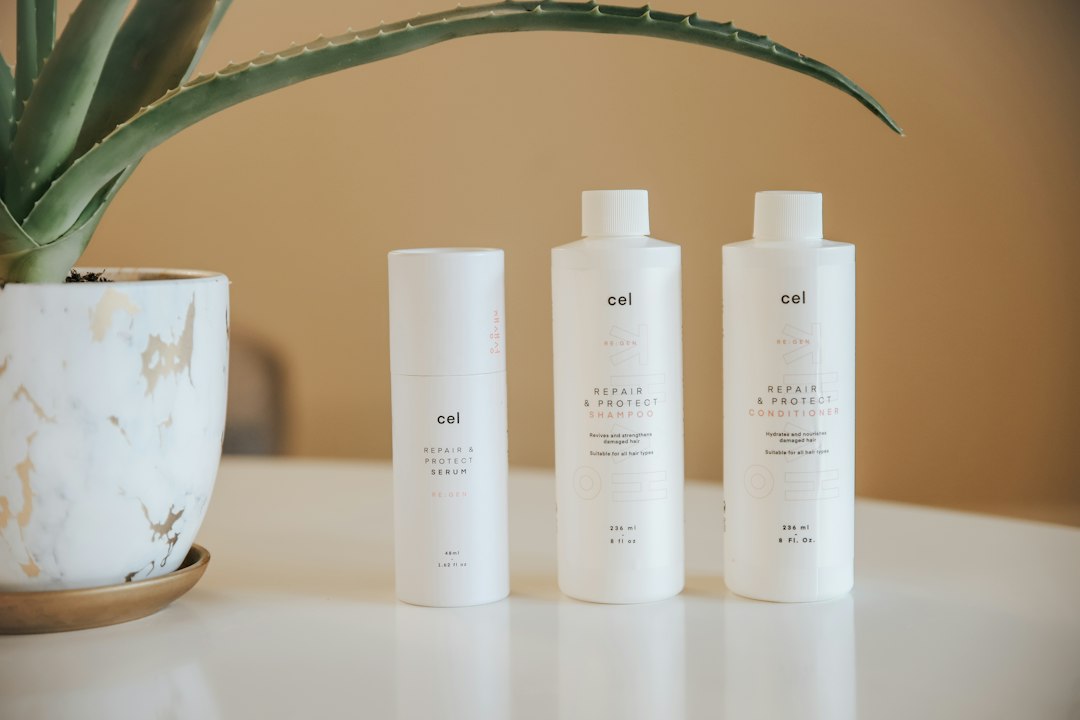
If you need a simple starter set that suits many hair types—especially to introduce moisture and strengthen hair—consider a rosemary and biotin shampoo and conditioner set. It cleanses gently while supporting thicker-looking strands and adds everyday hydration without heavy buildup.
Troubleshooting common problems and simple fixes
Hair still feels dry after conditioning: Try a leave-in or an overnight oil treatment; swap to a richer mask and reduce washing frequency.

Scalp is itchy or flaky: Use a gentle clarifying shampoo or a scalp-specific treatment once a week; avoid heavy products at the roots.
Hair looks flat soon after washing: Rinse conditioner more thoroughly, use a volumizing shampoo, and apply lightweight styling mousse at the roots when damp.
Breakage along the mid-lengths: Reduce mechanical stress—switch to a gentler brush, avoid tight hairstyles, and add a weekly protein treatment if hair is chemically processed.
When to see a professional
Book a salon consultation if you have sudden excessive shedding, scalp irritation that doesn’t improve with over-the-counter treatments, or if you plan major chemical services. A stylist can recommend cutting strategies and professional-strength treatments that suit your routine.
Practical recap, checklist and reader questions
- Identify your hair texture, density and primary concern.
- Use shampoo for the scalp, conditioner for the lengths.
- Introduce a weekly mask or protein treatment based on damage level.
- Protect from heat and detangle wet hair gently.
- Adjust wash frequency over several weeks and observe changes.
A healthy hair care routine centers on matching product weight and treatments to your hair’s natural texture and main concern. Small, consistent choices—appropriate cleansing, targeted conditioning, minimal heat and periodic treatments—produce the most reliable improvements.
How do I know if my hair needs protein or moisture?
Hair that stretches and returns is balanced; hair that stretches and breaks needs protein, while hair that feels brittle and dull requires moisture. Alternate treatments if unsure.
Can I use the same products every day?
Daily use of some leave-ins or lightweight conditioners is fine, but avoid heavy masks or oils daily. Rotate clarifying or protein products weekly or monthly as needed.
Will switching shampoos fix my scalp issues?
It can help if the problem is product buildup or sensitivity to sulfates/fragrances, but persistent issues may need a targeted scalp treatment or professional advice.
How soon will I see results from a new routine?
Noticeable changes in manageability and shine often appear within 2–4 weeks; structural improvements like reduced breakage may take several months.