 Wishlist
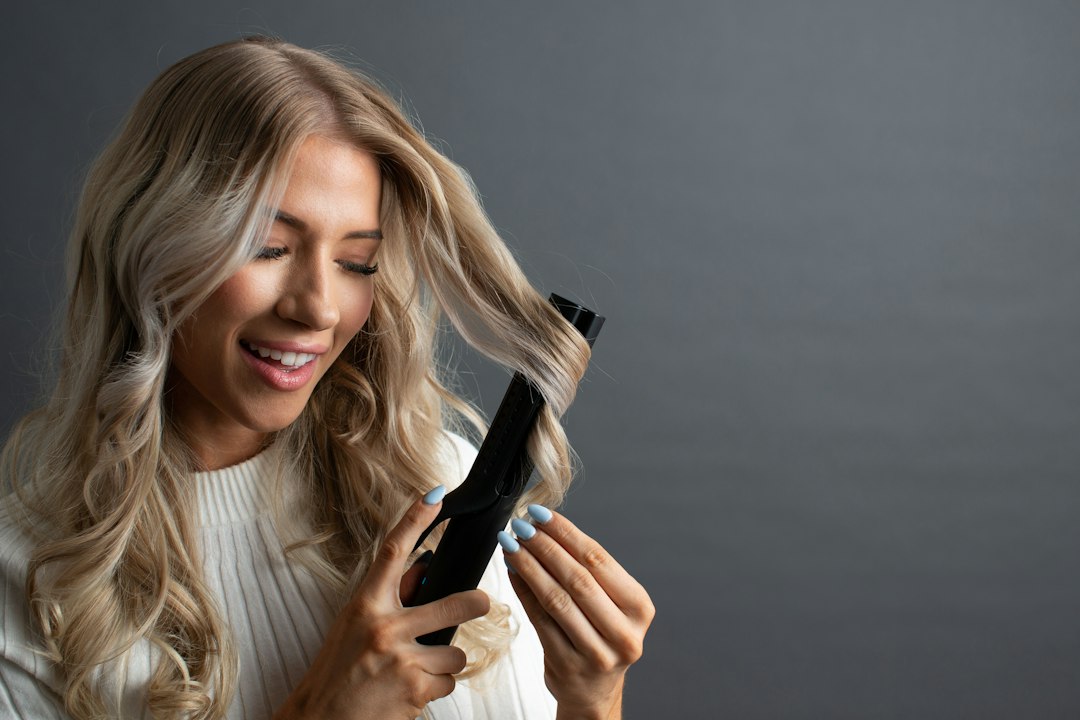
Start with the result you want: styled hair that isn’t brittle
Protect hair from heat without sacrificing the look you want by using a clear sequence: prepare the hair, choose appropriate tools and temperatures, use protective products correctly, and follow aftercare. If you adopt those four habits consistently, you’ll notice less breakage, fewer split ends and smoother, longer-lasting styles.
Prepare the hair: clean, detangled, and partially dry
Heat applied to dirty or wet hair causes more damage. Shampoo with a gentle cleanser suited to your hair type and follow with a conditioner focused on detangling and nourishment. Towel-blot — don’t rub — then detangle with a wide-tooth comb or detangling brush, working from ends to roots.
Never apply a flat iron or curling iron to soaking hair. For blow-drying, start when hair is about 60–80% dry: most of the moisture gone but still slightly damp. This reduces the time direct high heat touches the strand.
Choose tools and temperatures intentionally
Not all tools are equal. Ceramic, tourmaline or titanium-coated plates and barrels distribute heat more evenly and reduce hot spots that burn hair. When buying a dryer, choose one with multiple heat and speed settings and a cool shot button.
- Fine or chemically damaged hair: 250–300°F (low to medium).
- Normal hair: 300–375°F (medium).
- Thick, coarse or very curly hair: 375–450°F (medium-high to high), but use quickly and in small sections.
When possible, test a small hidden section first. Use lower heat for repeated passes—several gentle passes at a lower temperature are less damaging than one very hot pass.
Use a heat protectant properly
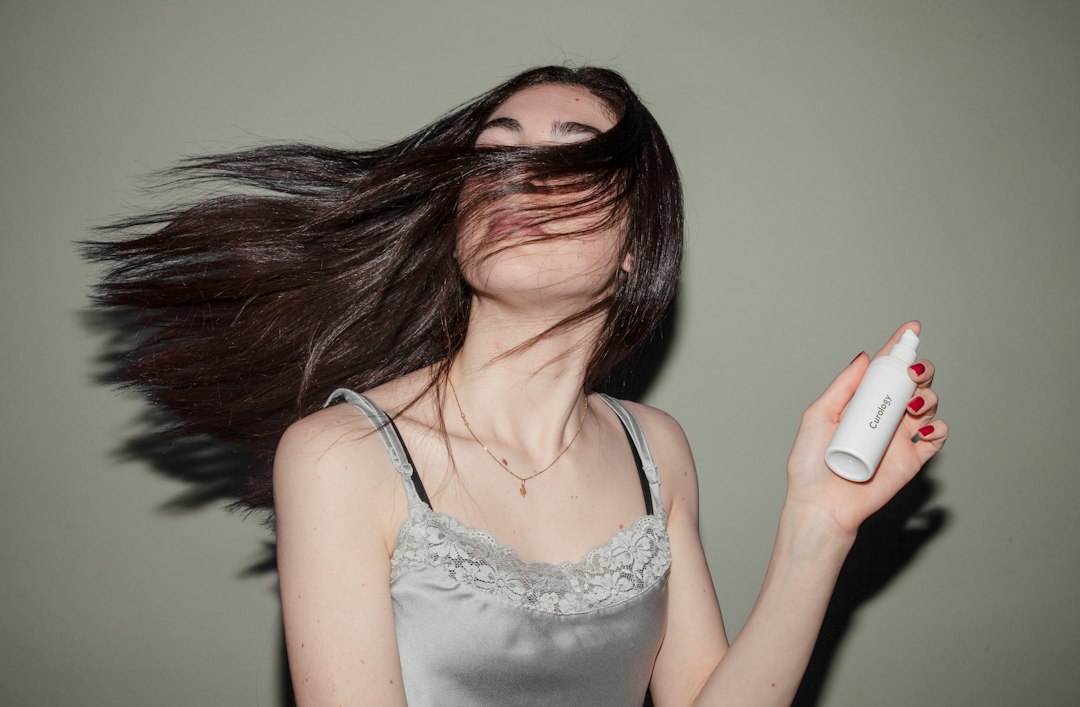
Heat protectant is the single most effective everyday defense. Light, leave-in sprays and creams create a protective layer that reduces moisture loss and smooths the cuticle.
How to apply:
- Work with towel-dried, detangled hair.
- Shake spray protectants and mist evenly 6–8 inches from hair; use a pea-size amount of cream on shorter hair and more for longer or thick hair.
- Comb through to distribute product from roots to ends—don’t concentrate only at the crown.
- Allow 30–60 seconds for alcohol-based sprays to settle before applying heat.
Recommended option from our shop: if you want a weightless, high-heat spray, consider the OGX Bond Protein Repair 450°F Heat Protectant (). It’s useful for frequent styers who use higher temperatures.
Section, technique, and timing when styling with irons
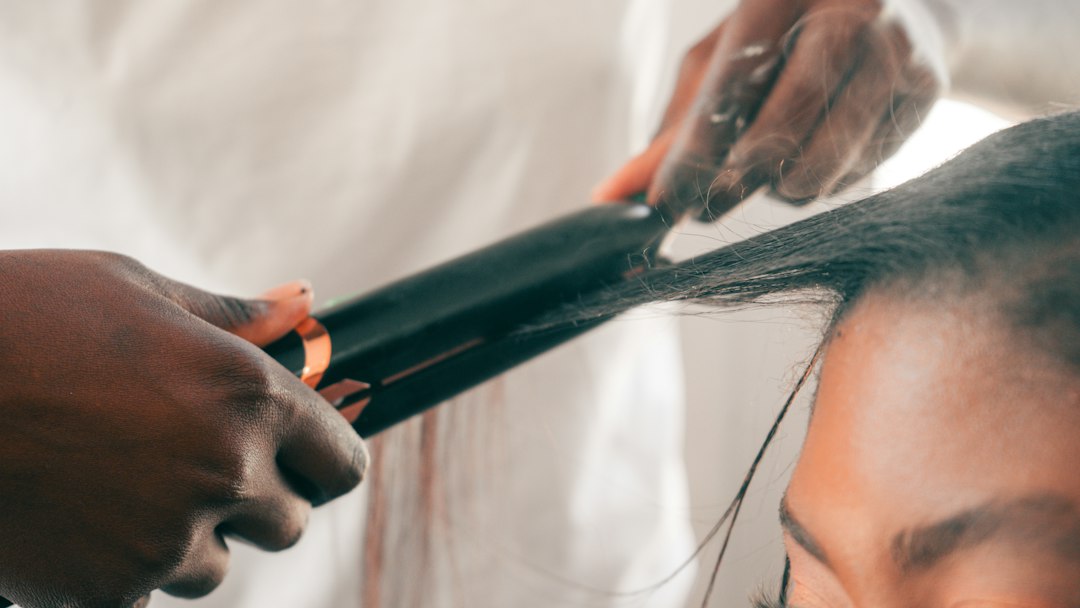
Good technique reduces repeat passes. Divide hair into small, even sections and clip away the rest. For straightening, glide the iron in one smooth motion—don’t clamp and hold. For curls, wrap hair around the barrel without clamping too tightly and release quickly to avoid lingering heat.
If you need a certain sleekness, aim for a single pass per section. That means using smaller sections and slower tool movement, not higher heat to compensate.
Blow-drying with less damage
Use a nozzle concentrate and a medium heat setting to direct airflow and cut drying time. Dry root-to-ends while holding the dryer 6–8 inches away and directing airflow down the hair shaft to smooth the cuticle. For volume, lift at the roots with a round brush and finish with a cool shot to lock the style and close the cuticle.
Support hair health between styling sessions
Even with perfect technique, frequent heat will stress hair. Build in recovery:
- Weekly deep-conditioning masks to restore moisture and elasticity.
- Regular trims every 8–12 weeks to remove split ends before they travel up the strand.
- Alternate heat-free styling days—braids, twists, or air-dried waves give hair a break.
Troubleshooting common problems
Hair still feels dry after protectant
Check for product buildup: clarify with a gentle clarifying shampoo every 4–6 weeks and follow with a deep conditioner. If protectant is spray-only, add a small dab of an oil-serum to ends for added slip and hydration.
Styles don’t hold without hotter heat
Adjust technique rather than temperature: use smaller sections, slightly slower passes and finish with a light hold product. For curls, clip each curl to cool in place before releasing.
Breakage near the crown or hairline
These areas are often weaker. Lower the heat, avoid tight styles that pull, and use protein-rich treatments if hair is limp or stretches excessively when wet.
Small adjustments for different hair types
- Color-treated hair: prioritize moisture and choose a protectant formulated for treated hair; avoid daily heat when possible.
- Curly hair: use diffusers on low heat, never rake the dryer through curls, and apply protectant while wet to maintain definition.
- Thin hair: lighter sprays and lower temps prevent weighing down roots—lift at the root with a round brush rather than cranking heat.
When to change your approach
If you notice increased porosity (hair absorbs water quickly but feels dry), persistent breakage, or fading color, scale back heat use and consult a stylist for a professional treatment. These signs mean the cuticle is compromised and needs rebuilding with moisture and protein balance.
Product recommendation placement logic
Use a heat protectant that matches how often and how hot you style. For daily high-heat use, pick a product specified for protection up to at least 450°F. For occasional styling, a lighter, multi-benefit spray may be enough.
Next steps you can take tonight
Try this simple trial: apply a heat protectant to one side of your hair, style both sides at the same temp and observe texture, shine and breakage over two weeks. The difference will show the protectant’s value and help you fine-tune technique and temperature.
- Wash and detangle; start styling when hair is 60–80% dry.
- Apply a leave-in heat protectant and comb through evenly.
- Use ceramic/tourmaline tools and set the temperature to your hair type.
- Section hair and aim for one gentle pass per section.
- Finish with a cool shot and weekly deep-conditioning treatment.
- Schedule heat-free styling days to allow recovery.
Protecting hair from heat is about consistent, small habits: right temp, the right product, better technique and planned recovery. These changes keep hair healthy while letting you wear your favorite styles.
Does heat protectant really prevent damage?
Yes—leave-in heat protectants form a barrier that reduces moisture loss and shields cuticles, which measurably lowers the damage caused by high temperatures.
How often should I use deep-conditioning masks?
Use a deep-conditioning mask once a week for dry or heat-stressed hair; every 2–4 weeks for healthier hair types.
Can I use the same temperature for flat iron and curling iron?
Not necessarily; curling often needs higher heat for short contact time, but use the lowest temperature that achieves the style and avoid repeated passes.
Is it okay to apply heat protectant to dry hair?
Yes—most protectants work on dry hair, but applying to towel-dried hair ensures more even distribution and better product penetration.
Which tool matters more: quality or temperature control?
Both matter, but temperature control is critical—high-quality tools that allow precise, lower-temperature styling deliver the best balance of results and protection.