 Wishlist
Practical decision criteria before you compare
If you want a quick, useful answer: Eau de Parfum vs Eau de Toilette mainly comes down to concentration, which determines how long a fragrance lasts and how intensely others will notice it. Decide first what matters most to you: longevity (how many hours you want one spritz to last), projection (how strongly it announces itself), price per milliliter, and the situations where you'll wear it (office, gym, evening out).
How concentration shapes scent behavior
Perfume categories are shorthand for the proportion of fragrance oils in alcohol and water. Typical ranges:
- Eau de Parfum (EDP): roughly 12–20% concentration — richer, lasts longer (6–8+ hours in many cases).
- Eau de Toilette (EDT): roughly 5–15% concentration — lighter, clears earlier (2–5 hours typical).
Higher concentration doesn’t just last longer; it often reveals base notes (woods, resins, musk) more clearly. Lighter concentrations let brighter top and middle notes dominate, so the character can feel airier or fresher even if the composition is identical.
Meaningful trade-offs: longevity, price, and scent evolution
Longevity: If you prefer fewer re-applications, EDP usually wins. But longevity depends on the exact formula and your skin chemistry—oily skin holds fragrance longer; dry skin dissipates faster.
Price and value: Because EDP has more fragrance oil, it typically costs more per milliliter. If you buy large bottles or use fragrance sparingly, an EDP can be more economical over time despite the higher sticker price.
Scent evolution and balance: Some fragrances were composed expecting EDT evaporation rates; in EDT form the citrus and florals may sing, while the same fragrance as an EDP can emphasize warm bases and feel heavier. That’s why the same perfume line can feel like two different personalities across concentrations.
When each option usually makes better sense
- Choose EDP if: you want a statement scent for evening wear, special occasions, cold weather, or long days without reapplication. EDPs are also good if you prefer deeper, longer-lasting woody, oriental, or gourmand facets.
- Choose EDT if: you need something light for hot weather, office environments, casual daytime use, or if you like to change fragrances during the day. EDTs are also sensible for first-time testers who want a less intense introduction.
How to judge a specific bottle quickly in-store or online
Don’t rely on marketing terms — evaluate three things:
- Smell it on skin, not just on paper. Let it settle through top, heart and base stages (10–30 minutes gives a good sense).
- Ask how long it typically lasts, and compare the category (EDP vs EDT). If possible, test a strip at home for a day or sample a travel spray.
- Consider context: if the fragrance reads strong on a paper strip, the EDT may be plenty strong on skin; conversely, a subtle paper strip could indicate the EDP will be the better long-term choice.
Practical application: how to make whichever you buy perform better
- Moisturize pulse points before spraying—oily or hydrated skin holds scent longer.
- Spray on pulse points (wrists, inner elbow, behind ears, chest). For EDP one or two sprays are usually enough; for EDT you may want an extra spritz for similar coverage.
- Store away from heat and sunlight to prevent breakdown of notes; keep caps on to avoid alcohol evaporation altering the balance.
Product recommendations based on common needs
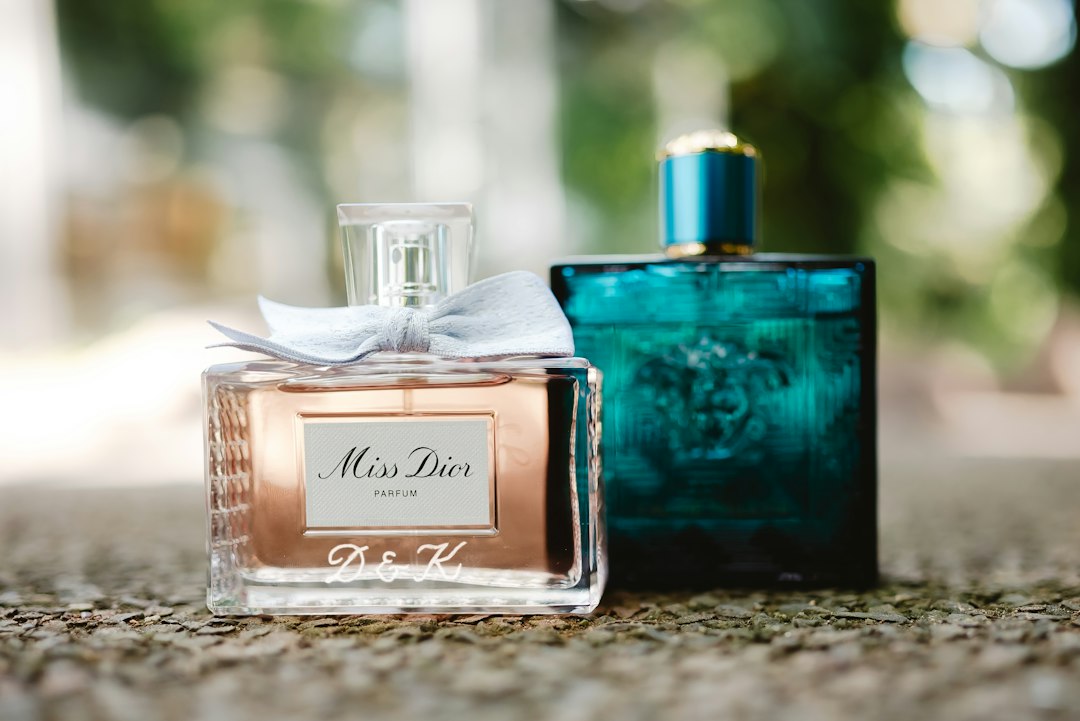
If you want a long-lasting feminine EDP with warm, oriental character for evening or cooler months, consider:
For a lighter, daytime-friendly EDT that’s versatile and casual, a good match is:
When exceptions matter
Some modern perfumers reformulate across concentrations; a brand’s EDT may be crafted to stand out and last unusually long, or an EDP might be softened with fixatives to sit closer to skin. Also, price isn’t always correlated with concentration: niche EDPs can be more expensive for reasons other than oil percentage (rare ingredients, packaging, brand).
Quick alignment: which choice fits your profile
- If you travel, hate re-spraying and wear perfume as a signature: EDP.
- If you work in close quarters, prefer rotation, or live somewhere hot: EDT.
- If you’re experimenting with a new scent and unsure which notes you’ll like: start with EDT or a sample vial.
- If budget is tight but you want a lasting scent: buy a modest-sized EDP and use one spray strategically.
Checklist before you buy
- Decide how many hours you want one application to last.
- Test the scent on skin and observe it through at least 20 minutes.
- Consider season and setting (day vs evening, hot vs cold).
- Compare price per milliliter against expected usage frequency.
- Check return or sample policies if buying online.
If you need lasting presence and richer base notes, choose an Eau de Parfum; if you want lighter, versatile wear and easier reapplication, choose an Eau de Toilette. Use the checklist above to match a bottle to your routine, and favor samples before committing to a full bottle.
Does EDP always cost more than EDT?
Generally yes per milliliter because of higher fragrance oil content, but brand, rare ingredients and packaging can shift pricing.
Can I layer an EDT and EDP of the same fragrance?
Yes—layering can reinforce longevity and smooth transitions between notes, but test first to avoid an overpowering result.
How many sprays are appropriate for EDP vs EDT?
Typically 1–2 sprays for EDP and 2–4 for EDT, adjusted for intensity and environment.
Will my skin type change how long a scent lasts?
Yes—oily skin generally extends longevity, while dry skin may need moisturizing or more frequent reapplication.
Is concentration the only difference between EDP and EDT?
No—formulators may adjust ingredient balance so the same fragrance family can smell distinctly different between EDT and EDP.