 Wishlist
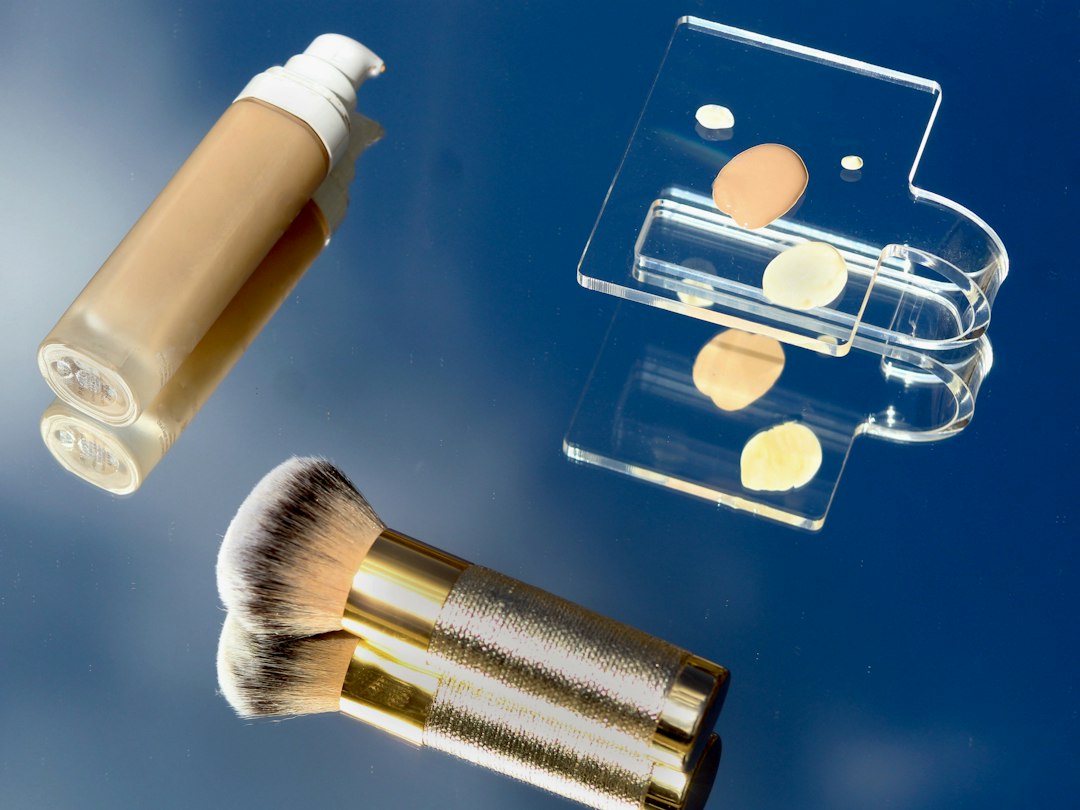
Quick answer: find your perfect foundation shade by identifying your undertone, testing 2–3 nearby shades on your jawline in natural light, and doing a short wear test.
Start with the result above, then follow the step-by-step process below to remove guesswork: determine warm, cool or neutral undertone; narrow to a shade family; swatch along the jawline; evaluate in daylight and after 4–6 hours. That sequence gives a reliable everyday match and minimizes returns or cakey looks.
How to tell your skin undertone (fast, reliable checks)
Your undertone—warm, cool, or neutral—lives beneath the surface and guides which foundation formulas will look natural. Use two quick, complementary tests.
- Vein color test: Look at the veins on the inside of your wrist in natural light. Greenish veins usually signal warm undertones, blue or purple veins indicate cool undertones, and a mix suggests neutral.
- Jewelry test: Hold gold and silver jewelry near your face. If gold flatters more, you’re likely warm; if silver looks better, you’re likely cool; if both look good, you’re probably neutral.
Combine both results. If tests disagree, default to neutral and focus on shade depth rather than undertone extremes when swatching.
Choose the right shade family before you swatch
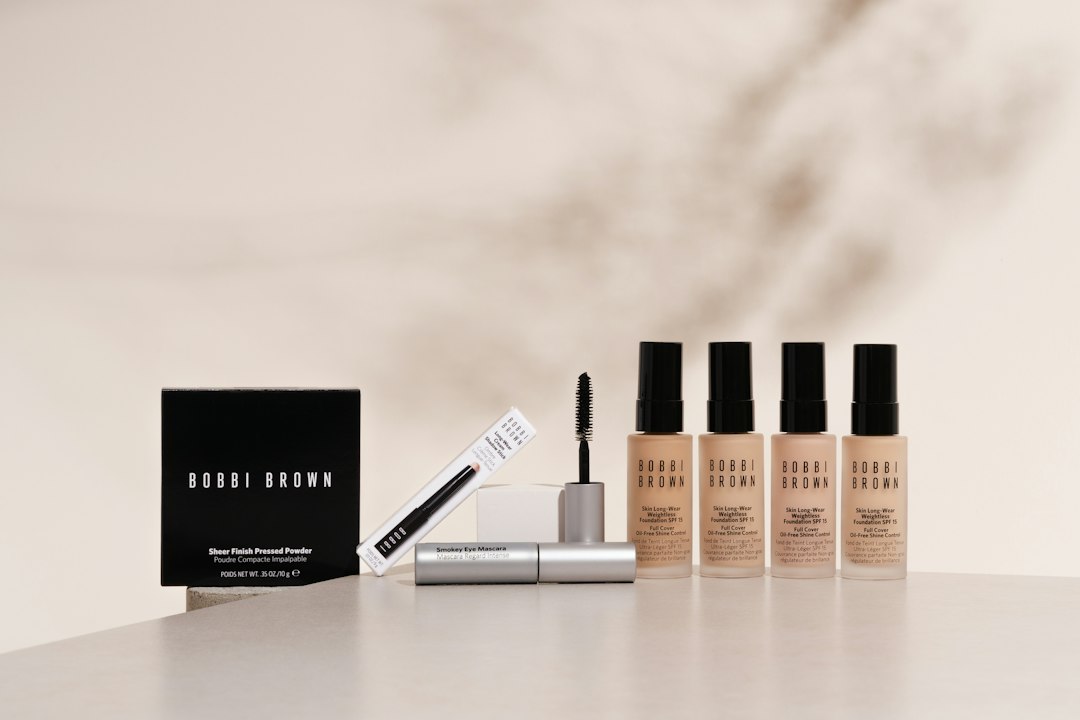
Foundation brands use label hints—words like “warm,” “gold,” “ivory,” “cool,” “rosy,” or “olive.” Match your undertone label first, then pick shades close to your perceived depth (fair, light, medium, tan, deep). If you’re neutral, try both a warm and a cool shade from the same depth range.
How to swatch correctly so you actually see the match
Swatching on the jawline gives the truest idea of how a foundation will blend into both your face and neck. Follow this routine:
- Clean the skin where you’ll swatch—no heavy moisturizer or sunscreen that can tint the result.
- Test 2–3 shades: one you think matches, one slightly lighter, and one slightly darker.
- Apply a thin stripe of each shade on the jawline (not the wrist) using a fingertip or a small brush; blend the edge gently.
- Step into natural daylight and look in a mirror. The true match will nearly disappear into your skin rather than looking like a separate stripe.
Don’t judge under fluorescent store lighting; always check in indirect natural light, ideally near a north-facing window or outdoors in shade.
Use a wear test to confirm finish and undertone
Swatching tells color; wear tests tell longevity, oxidation and finish. Apply your best-match swatch to a patch of cheek and wear it for 4–6 hours through normal activity. Look specifically for these issues:
- Oxidation: Does the shade darken or turn more orange? If so, try a slightly lighter or more neutral shade.
- Finish: Does it go too dewy, too matte, or patchy? Consider a formula change (hydrating, matte, or primer + foundation combo).
- Blend: Does the foundation settle into pores or fine lines? Adjust application technique or try a thinner coverage.
What to do if your undertone is unusual or mixed
People with olive, muted, or strongly mixed undertones can be the trickiest. Practical options:
- Neutral blends: Look for “neutral” or “beige” shades that avoid too pink or too yellow.
- Mixing: Combine a warm and a cool shade in small amounts to create a custom undertone match.
- Color correctors: If your face has distinct areas (redness, sallowness), use a lightweight primer or color corrector before matching overall shade.
Tools and techniques that improve matching
Good tools make a good match more consistent:
- Sponge or brush application: These help blend product so you can judge true color, especially for medium-to-full coverage formulas.
- Sample vials or mini pumps: Try a tester or sample rather than buying full size.
- Photos in natural light: Take a quick photo in daylight to compare shades side by side; sometimes your eye adapts and photos reveal differences.
One product to try
If you want a reliable, widely available option to start experimenting with shade depth and undertone, consider a top-ranked everyday liquid foundation that offers many shades and finishes. For shoppers here, try this accessible match-and-test option:
Use this product for initial shade exploration because it comes in many shades and a user-friendly finish—test it on your jawline and wear as described above.
Quick troubleshooting
- Shade looks too pink: Try a warmer or more yellow-toned shade one step in depth or a neutral tone.
- Shade turns orange during the day: Move one shade lighter or choose a cooler-neutral formula.
- Face and neck still don’t match: Blend a bit of foundation into your neck or mix two shades to create continuity.
- Makeup looks cakey: Apply less, thin with a hydrating mist, or switch to a lighter coverage version in your correct shade.
How to keep your shade consistent across seasons
Skin tone can shift with sun exposure or seasonal dryness. Keep one of these simple habits:
- Maintain two nearby shades—your “winter” and “summer” variants—and mix as needed.
- Use gradual self-tanner rather than switching foundation shades for slight bronzing; it keeps undertone consistent.
- Check undertone with veins and jewelry tests.
- Pick 2–3 candidate shades in your depth range.
- Swatch on the jawline and view in natural light.
- Do a 4–6 hour wear test to check oxidation and finish.
- Keep a nearby lighter or darker shade for seasonal shifts.
Finding the perfect foundation shade is a small sequence: determine undertone, swatch on the jawline in natural light, and confirm with a short wear test. If in doubt, choose neutral shades or mix two nearby tones.
Can I find my undertone from photos?
Photos can help but aren’t definitive because lighting and camera settings alter color; use it alongside in-person checks like the vein and jewelry tests.
Should I match my face or neck?
Both—swatch the jawline so the foundation blends into your face and neck for the most natural look.
What if foundation oxidizes on my skin?
Try a slightly lighter or more neutral shade and test formulas known for low oxidation; primers can also reduce color shifts.
Is it better to buy samples first?
Yes—sample vials or tester sizes let you wear the product through a real day before committing to a full bottle.
How do I match olive undertones?
Olive undertones often work best with neutral shades that balance a subtle green/yellow cast; mixing small amounts of warm and cool can help fine-tune.