 Wishlist
Narrowing the problem: what matters when choosing foundation
Deciding between liquid vs powder foundation comes down to a few practical factors: your skin type (dry, oily, combination, sensitive), the coverage and finish you want, how long it needs to last, and how you prefer to apply makeup. Ignore marketing claims about “flawless in one pump” or celebrity endorsements—focus on texture, ingredients, and how the product behaves on your actual skin across a day.
Quick answer up front
If your skin is dry, normal, or you want buildable, natural-to-full coverage, liquid foundation is usually better. If your skin is oily, you need quick touch-ups, or you want a matte, lightweight finish, powder foundation is often the smarter choice.
Decision criteria: the attributes that actually change results
- Skin type and condition: dryness, oiliness, texture (pores, flakes, fine lines).
- Coverage needs: sheer, buildable, or full coverage.
- Finish preference: dewy, satin, natural, or matte.
- Longevity and transfer resistance: day-long wear, heat/humidity performance.
- Application method and time: tools you have and how precise you want to be.
- Sensitivity and ingredients: fragrance, SPF, silicones, oils that can clog pores.
How liquid and powder compare across the key trade-offs
Hydration and skin texture
Liquid foundation contains water, oils, or emollients that hydrate and smooth the skin—helpful for dry or textured skin because it sits more evenly without clinging to flakes. Powder foundation is drying by nature and can emphasize dry patches and fine lines, though finely milled mineral powders can be forgiving if you prep skin well.
Coverage and buildability
Liquids are more versatile: formulas range from sheer tints to full coverage and layer without obvious patchiness if applied with a sponge or brush. Powders generally provide light-to-medium coverage; pressed and loose mineral powders can be layered but may look cakey at higher coverage levels.
Finish and shine control
Powders naturally mattify and help control shine, so they excel on oily and combination skin, especially in the T‑zone. Matte liquid formulas exist and can offer oil control while delivering more coverage consistency than powder, but they may feel heavier.
Longevity, transfer and climate
Powder foundations often perform better in hot, humid conditions for shine control but can break down faster if skin becomes sweaty. Long-wear liquid foundations tend to resist transfer and last through a workday or events—look for wording like “long-wear” or blot-proof and consider primer and setting spray to extend durability.
Application speed and portability
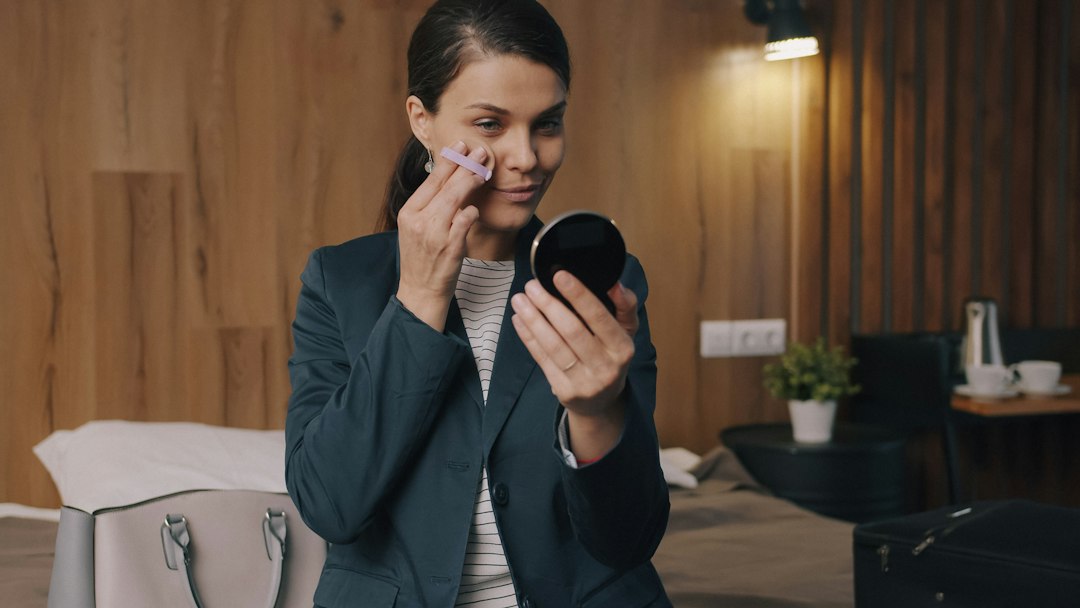
Powder compacts are travel-friendly and quick for on-the-go touch-ups. Liquids require a pump/dropper, sponge or brush and a bit more time, though many liquid tints and cushion compacts have simplified application for daily use.
Skin sensitivity and ingredients
Liquids may contain humectants, oils, or active ingredients (SPF, niacinamide) that help or irritate depending on sensitivity. Mineral powder foundations are simple in ingredient lists and can be a gentler option for reactive skin, but check for added fragrance or talc if you’re sensitive.
Real-world scenarios: which option suits you
You have dry or mature skin
Choose liquid. A hydrating or satin-finish liquid reduces the appearance of dry patches and fine lines. Use a moisturizing primer and a damp sponge to press product into skin for the most natural effect. Avoid matte liquids that pull moisture from the skin.
You have oily or acne-prone skin
Lean toward powder foundation or a mattifying liquid depending on coverage needs. Powders help absorb excess oil and minimize shine; mineral formulas can be non-comedogenic. For acne-prone skin that needs more coverage, a non-comedogenic liquid labeled for oil control is a good compromise.
You have combination skin or want flexible coverage
Use a hybrid approach: liquid foundation blended across the face for even coverage, set only the oily zones with powder. This balances hydration where needed and shine control where it shows first.
You want lightweight, fast daily makeup
Powder foundation or a sheer liquid/tinted moisturizer. Powders are quick and easy for touch-ups; tinted liquids offer a fresh, minimal look if you prefer a dewier finish.
You need long wear for events or photos
Choose a long-wear liquid foundation with setting powder. Liquids layer better for full coverage and photograph more evenly, while a light dusting of powder prevents shine and sets makeup without flattening the finish.
Application tips that change the result more than the product choice
- Always start with skincare: moisturizer or mattifying primer depending on skin type.
- Apply liquid with a damp sponge for a natural finish or a dense brush for fuller coverage; buff powders with a fluffy kabuki or press with a puff for more coverage.
- Set oily areas with translucent powder; avoid over-powdering dry areas to prevent cakiness.
- Test foundation in natural light on the jawline and wear for a few hours before buying to check oxidation and lasting power.
Product picks from the boutique to try
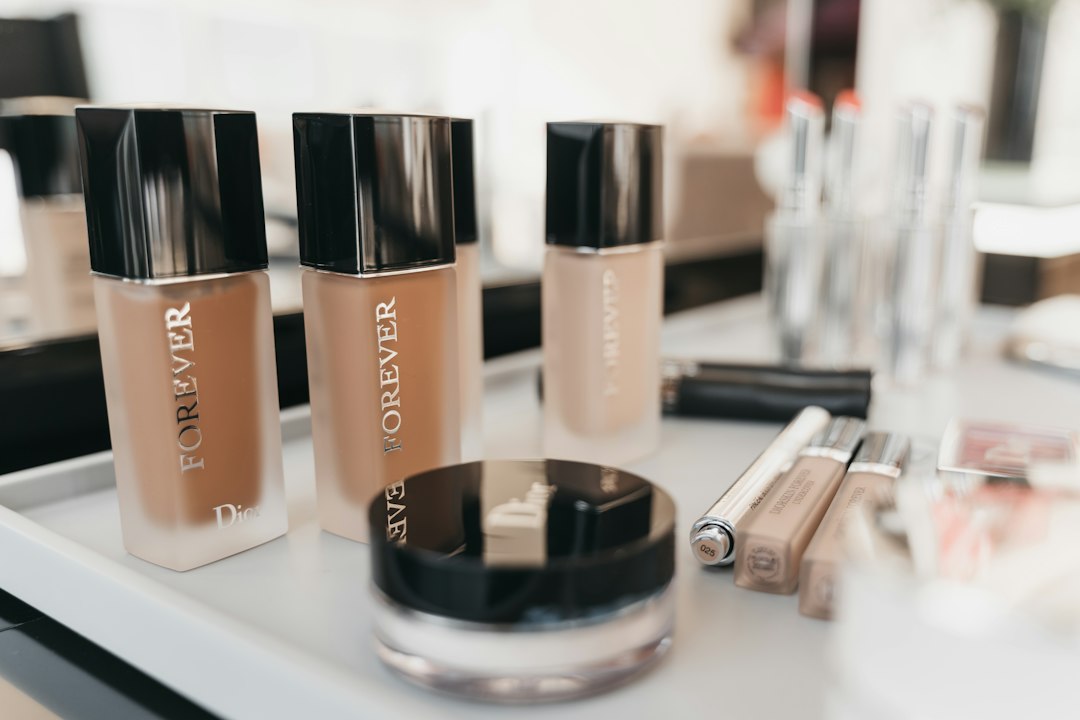
For an adaptable liquid that helps find your tone and build coverage, try the boutique’s top-ranked liquid option:
For a lightweight powder you can use for quick touch-ups or full matte coverage, this mineral loose powder is a strong match:
When to consult another guide
If you need help matching undertone and shade, check our guide on finding your perfect foundation shade. To improve how foundations sit on your skin, revisit your skincare routine first—see our routine guide for adjustments that make makeup apply more smoothly.
How to Find Your Perfect Foundation Shade and Undertone
How to Build the Perfect Skincare Routine for Your Skin Type
- Identify skin type and any active skincare ingredients you use.
- Test shade on your jawline in natural light and wear for several hours.
- Decide on finish (dewy, satin, matte) before choosing formula.
- Bring a primer and blotting paper when trying samples to simulate your daily routine.
- Compare how product behaves after sweating or oil develops for at least 4 hours.
Liquid foundations suit dry-to-normal skin and anyone who wants versatile coverage and a smooth finish; powders are efficient for oily skin, quick touch-ups and travel. Many users get the best result by combining a liquid base with targeted powder setting.
Will powder foundation clog pores?
Some powders, especially those with heavy oils or talc, can contribute to clogged pores in acne-prone skin; choose non-comedogenic mineral formulas and remove makeup fully at night.
Can I mix liquid and powder together?
Yes—apply a liquid base for coverage, then set oily areas with powder for balanced wear and finish.
Which finishes photograph better?
Liquids with a natural or satin finish generally photograph more evenly; avoid heavy powder on camera as it can reflect flash and appear cakey.
How do I prevent powder from looking cakey on dry skin?
Prep skin with a hydrating primer and use a light hand—press and blend powder only where needed rather than sweeping it across the entire face.
Are mineral powders better for sensitive skin?
Mineral powders with minimal additives can be gentler for sensitive skin, but always check for fragrance or irritants and patch-test first.