 Wishlist
Start with the result: a simple, stable routine that suits the skin you have
What really matters is building a daily morning and evening sequence that addresses one or two core concerns without overwhelming your skin. You can safely ignore trendy actives you don’t need, overly complex multi-step regimens, and swapping products constantly. A focused skincare routine for your skin type will minimize irritation, improve texture and protect skin from damage.
Decide your skin type and primary concern
Before choosing products, identify whether your skin is: normal, dry, oily, combination, or sensitive. Also pick one primary concern to prioritize (hydration, oil control, acne, dark spots, redness). A quick self-check: blot your face on a clean tissue after a few hours—oil across forehead/nose? Likely oily or combination. Tightness and flaking? Likely dry. Reactivity to many products? Sensitive.
Morning and evening: the two routines you actually need
Think in two distinct but related routines. Morning protects and preps; evening repairs and treats. Both follow the same logic: cleanse → treat (serum/targeted actives) → hydrate → protect (AM only).
Morning—protect and hydrate
- Cleanser: use a gentle, pH-balanced cleanser. For oily skin choose a low-foam gel that dissolves oil; for dry skin, a creamy or balm cleanser; for sensitive skin, fragrance-free, mild surfactants.
- Toner/essence (optional): choose hydrating formulas with humectants (glycerin, hyaluronic acid) if you’re dry; skip if your skin reacts easily.
- Antioxidant serum: a vitamin C or NAD+/peptide serum protects against environmental damage and brightens. Apply to clean skin so it can absorb; this is especially useful if your primary concern is pigmentation or dullness.
- Moisturizer: lightweight gel creams for oily/combination skin; richer creams or creams with ceramides for dry/sensitive skin.
- Sunscreen: broad-spectrum SPF 30+ every morning without fail. This is non-negotiable for preventing dark spots and premature aging.
- Double-cleanse if you wore sunscreen or makeup: start with an oil or balm cleanse to dissolve sunscreen/makeup, then follow with your morning cleanser.
- Treatment serums: reserve stronger actives (retinoids, exfoliating acids, higher-dose vitamin C) for evening. Match the active to your concern: retinoids for fine lines/acne, azelaic acid for redness and pigment, BHA for oily/clogged pores.
- Hydration and barrier repair: apply a moisturizer containing ceramides, fatty acids, or hyaluronic acid. Night creams can be richer to support repair processes.
- Spot treatments: use only where needed (benzoyl peroxide or targeted acids) and avoid layering many potent actives at once.
How to choose products by skin type
Below are practical product features to prioritize, not brand lists. One well-chosen product per step is better than many partial solutions.
Normal skin
Use gentle, balanced products. A mild hydrating cleanser, antioxidant serum, lightweight moisturizer and daily SPF will keep normal skin healthy.
Dry skin
Look for occlusives and humectants: hyaluronic acid, glycerin, ceramides, squalane. Cream-to-oil cleansers help avoid stripping. Use richer moisturizers, and add an occlusive (petrolatum or plant oils) at night in cold months.
Oily skin
Prioritize oil control without over-drying: gel cleansers with gentle exfoliants (salicylic acid), light water-based moisturizers, and non-comedogenic sunscreens. Use BHA 1–2× weekly to manage pores; increase frequency as tolerated.
Combination skin
Mix textures: a gentle gel cleanser, apply lighter products in the T-zone and richer creams on dry cheeks. Consider using separate moisturizers or using a single lightweight moisturizer and spot-treat dry areas with a richer cream.
Sensitive skin
Avoid fragrance, high alcohol, and multiple actives. Favor short ingredient lists, barrier-repairing moisturizers (ceramides, niacinamide at low concentration), and patch-test new products for 48–72 hours.
How to layer products so they absorb and play nicely
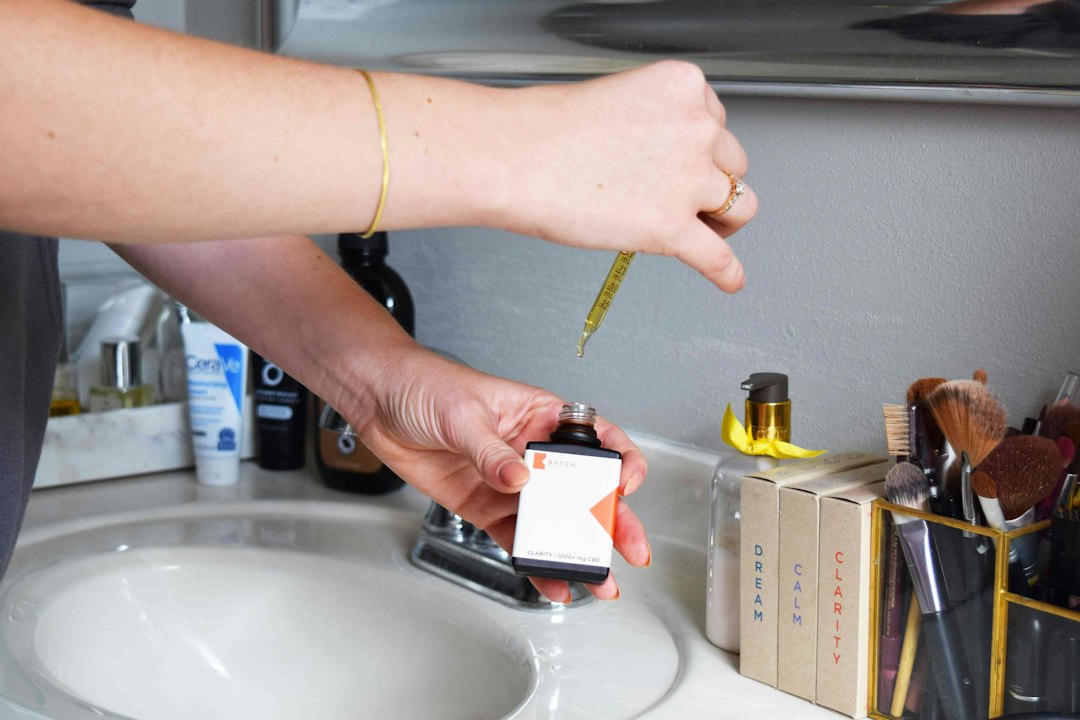
Order matters: thin, water-like products first; thicker, oil-based products last. A practical rule: apply products from the lightest texture to the heaviest. Wait 30–60 seconds between thin layers; allow actives like vitamin C or retinoids to absorb before moisturizing if formulas specify.
Introduce active ingredients safely
Start one new active at a time and use it every other night for two weeks before increasing frequency. If irritation appears—redness, stinging, persistent flaking—reduce frequency or stop and try a gentler concentration. Do not mix strong acids with retinoids on the same night; alternate nights.
When to add exfoliation and masks
Use physical exfoliants sparingly. Prefer chemical exfoliants: AHAs for surface texture and hydration (for dry/dull skin), BHA for oily/comedonal skin. Start at 1× weekly and increase slowly. Masks are occasional treatments—hydrating masks for dry skin, clay masks for oily zones—use them 1–2× weekly.
One practical product recommendation
If you want a versatile daytime treatment to add antioxidant support and peptides, consider a peptide + NAD+ serum to boost resilience and brightness after cleansing—use it in the morning under sunscreen for protective benefits.
Troubleshooting common problems
- Increased breakouts after switching products: stop the newest product and reintroduce slowly; consider comedogenic ingredients.
- Persistent dryness despite moisturizer: check your cleanser for stripping surfactants and add a humectant serum (hyaluronic acid) and an occlusive at night.
- Redness or burning: simplify to a gentle cleanser and emollient moisturizer, stop actives, and patch-test alternatives.
- Identify your skin type and one top concern.
- Pick one cleanser, one serum, one moisturizer and one SPF to start.
- Introduce a new active no more than one at a time, every 2–3 weeks.
- Use sunscreen daily and simplify if irritation occurs.
- Double-cleanse only when wearing sunscreen or makeup.
Choose a minimal routine that protects by day and repairs by night, tailored to your skin type. Consistency and sensible layering will deliver visible improvements faster than chasing the latest trend.
How often should I change my routine?
Only change when a product causes problems or your skin’s needs shift (seasonal dryness, pregnancy, medication). Small adjustments are safer than wholesale swaps.
Can I use vitamin C and retinol together?
Use vitamin C in the morning and retinol at night, or alternate nights—combining them simultaneously increases irritation risk for many people.
Do I need different products for day and night?
Yes: daytime focuses on antioxidant protection and SPF; nighttime focuses on repair and targeted treatment with actives like retinoids.
What’s the minimum routine for sensitive skin?
A gentle cleanser, a barrier-repair moisturizer (ceramides), and daily SPF are the minimum; introduce actives only after testing.
How can I test if a product is comedogenic?
Patch test on a small jawline area for one week and monitor for clogged pores; look for non-comedogenic labeling and avoid heavy oils if you’re acne-prone.