 Wishlist
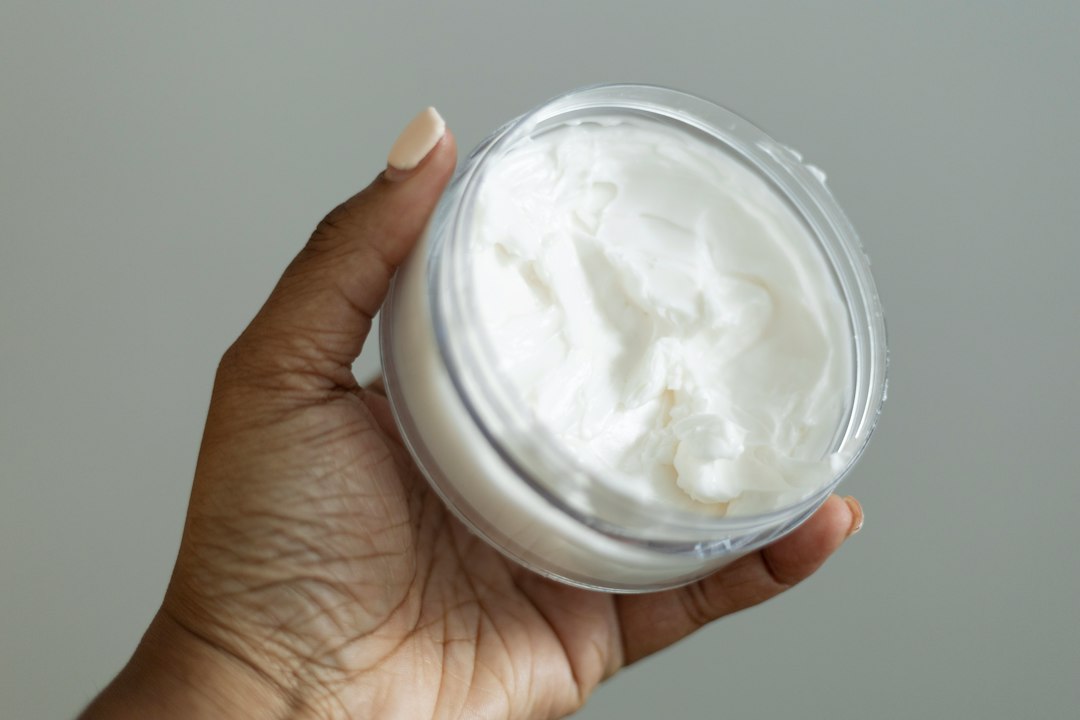
People assume thicker always means better for dry skin — not always. Start by deciding what “better” must do for you.
If your goal is to soothe tight, flaky, or cracked skin, the right choice depends on three decision criteria: how dry your skin is (mild vs. very dry), where on the body you’re treating (arms vs. heels), and how quickly you need absorption vs. long-lasting protection. Use these to compare body lotion vs body butter and pick what actually solves your problem.
Decision criteria: what matters when treating dry skin
- Depth of hydration — Does the product replace surface moisture only, or also lock it in for barrier repair?
- Texture and absorption — Do you want something that sinks in fast or a thicker layer that protects through the day/night?
- Active ingredients — Humectants (glycerin, hyaluronic acid) pull water into skin; emollients (squalane, fatty esters) smooth; occlusives (petrolatum, shea, cocoa butter) seal moisture.
- Application area and frequency — Large surface areas and daytime use often need lighter feel; localized rough patches benefit from richer formulas.
- Skin sensitivity and scent — Fragrances or strong botanicals can irritate already compromised skin.
Head-to-head: how body lotions and body butters trade off on those criteria
Below are how the typical lotion and butter compare against the decision criteria. These are general tendencies—formulations vary—but they’re useful for choosing products that actually help dry skin.
Depth of hydration
Body lotions usually blend water, humectants, and light emollients. They hydrate well on mildly dry skin because humectants draw moisture into the epidermis, but many lotions lack strong occlusives and can evaporate faster. Body butters use higher percentages of oils and occlusive butters (shea, cocoa, plant butters) that lock moisture in and protect compromised barriers—making them better for very dry or cracked skin.
Texture, feel, and absorption
Lotions are lighter, spread easily, and absorb quickly—useful when you want to dress right after applying or treat large areas without greasiness. Butters feel heavier and take longer to sink in; they leave a protective film that’s excellent for nighttime use or for feet, elbows and knees where friction and loss of moisture are greater.
Active ingredients and targeted repair
If you need to rebuild a damaged barrier, look for occlusives combined with reparative ingredients: ceramides, niacinamide, cholesterol and collagen-boosting peptides (in some creams). Lotions that include ceramides and higher humectant loads can be surprisingly effective for dry skin if paired with occasional occlusive layering. Butters tend to supply natural occlusives and fatty acids that calm roughness and prevent transepidermal water loss.
Practical longevity and climate considerations
In humid climates, a lightweight lotion often suffices and feels comfortable. In cold or very dry climates, or during winter months, a butter’s occlusive protection is more effective at preventing moisture loss between applications.
Which to choose: practical scenarios
Here are clear recommendations based on typical situations.
You have mildly dry to normal-but-dehydrated skin
Choose a body lotion with humectants (glycerin, hyaluronic acid) and gentle emollients; apply after showering while skin is damp. Lotions are fast, comfortable for daytime, and good on large areas. If you notice tightness later, add a thin layer of oil or a small amount of butter to trouble spots.
Your skin is very dry, flaky, or cracked
Body butter is usually better: thicker occlusives and natural butters seal hydration and protect the barrier. Use at night or on targeted areas (heels, knees, elbows, hands). For severe cracking, choose a butter containing nourishing ingredients like shea, cocoa, or lanolin, and consider pairing with a gentle cleanser to avoid further stripping.
You need fast absorption for daytime or hot weather
Pick a lotion or a lightweight oil-in-water hybrid. Lotions won’t leave the heavy film of a butter and are easier under clothes; look for formulas labeled “fast-absorbing” or “non-greasy.”
You want lasting protection while sleeping or before cold exposure
Apply a body butter at night or before heading out into wind/cold. The thicker layer stays on longer and reduces transepidermal water loss while you sleep or are exposed to harsh conditions.
Smart combinations and application tips
You don’t have to pick one exclusively—combining both often gives the best results.
- After shower: towel lightly, apply lotion to overall body to replace evaporative loss, then seal very dry areas with a thin layer of butter.
- Layering trick: apply a humectant-rich lotion, wait a minute, then dot butter over knees, elbows and heels to lock that hydration in.
- Use body oil as a mid-weight option—apply to damp skin, then add butter only where needed.
- For hands and feet: overnight occlusive treatment—apply butter, wear cotton gloves or socks to boost penetration and reduce transfer.
One recommended product to try
If you want an effective butter for dry, rough areas, try the store’s top match for nourishing dry skin:
When lotion might still be the better single choice
Choose lotion as your primary daily product if you dress immediately after moisturizing, have mostly mildly dry or combination skin, or live in humid conditions. A well-formulated lotion with ceramides and humectants can restore comfort without the heaviness of butter—pair selectively with butters only where necessary.
Common mistakes to avoid
- Applying moisturizers to dry skin—always apply after bathing while skin is slightly damp.
- Over-exfoliating—removes protective lipids and makes moisturizer less effective.
- Using fragranced butters on inflamed or cracked skin—opt for unscented, simple ingredient lists for problem areas.
Final practical notes before you buy or apply
Read labels for occlusive ingredients if you want a butter-level barrier effect (shea, cocoa, petrolatum), and look for ceramides, glycerin or hyaluronic acid in lotions for humectant support. Match your product choice to the severity of dryness, the body area, and the season for best results.
- Decide if dryness is mild (lotion) or severe (butter) for primary product choice.
- Apply moisturizers to damp skin within 3 minutes of showering.
- Layer a thin butter only on rough spots if you prefer lotions overall.
- Choose unscented or low-irritant formulas for cracked or inflamed skin.
- Use overnight occlusion (butter + socks/gloves) for stubborn dry patches.
- Reassess during season changes—switch to butter in cold/dry months.
For everyday comfort and fast absorption, use a lotion with humectants and ceramides; for deeper barrier repair and protection, use a body butter on targeted areas or at night. Combining both—lotion overall, butter on trouble spots—often gives the fastest relief and longest-lasting results.
Can I use body butter every day?
Yes—especially on very dry skin or in cold weather. Use a small amount; on large areas it can feel heavy. For combination skin, limit butter to drier zones.
Will lotion alone fix severely cracked skin?
Lotions can help but may not provide enough occlusion for severe cracking; combine with a butter or an occlusive ointment for repair and barrier protection.
Are natural butters better than petrolatum for dry skin?
Natural butters (shea, cocoa) are excellent occlusives and offer fatty acids; petrolatum is a highly effective, non-irritating occlusive. Choice depends on personal preference and sensitivity.
How do I stop moisturizers from rubbing off on clothes?
Apply less product, allow more time to absorb, or use lotion instead of butter for daytime. Let butter absorb before dressing or use it at night.