 Wishlist
Quick practical observation before you choose
Most people don’t need to pick one “best” serum forever; they need the one that solves their immediate skin problem. The right choice depends on your goal—brightening and antioxidant protection, moisture plumping, or oil-control and barrier repair—not on which ingredient is objectively superior.
Decision criteria: how to choose between Vitamin C, Hyaluronic Acid, and Niacinamide
Use these four practical filters when deciding:
- Primary skin goal: brightness/anti‑aging, hydration, or texture/clarity?
- Skin type and sensitivity: dry, oily, acne‑prone, reactive, or combination?
- Routine timing: morning vs evening and what other active ingredients you use (retinoids, acids, SPF).
- Immediate vs long-term need: quick plumping vs gradual pigment reduction vs barrier strengthening.
How they compare at the trade-off level
Below are the honest, practical trade-offs that matter when you’re choosing one serum to add to your routine now.
Vitamin C — best when your main goal is brightening, antioxidant defense, and uneven tone
What it does: topical vitamin C (ascorbic acid or stabilized derivatives) reduces visible hyperpigmentation over weeks, protects against early photoaging by neutralizing free radicals, and can improve skin radiance.
Trade-offs: it can cause stinging or irritation for sensitive skin, especially at higher concentrations or with pure L‑ascorbic acid. Vitamin C is light‑sensitive and requires stable packaging; it’s a morning favorite because pairing it with sunscreen boosts protection.
Who benefits most: people with sun spots, dullness, early fine lines, or those seeking antioxidant daytime protection.
Hyaluronic Acid — best when immediate hydration and plumping is the priority
What it does: hyaluronic acid (HA) is a humectant that draws moisture into the skin and visibly plumps fine lines. It doesn’t change pigmentation or oil production but improves texture and makes skin look healthier fast.
Trade-offs: HA depends on available moisture—on very dry skin it may pull moisture from deeper layers unless you lock it in with an emollient or moisturizer. It’s gentle and works with nearly every routine, morning or night.
Who benefits most: anyone with dehydration, visible fine lines from dryness, or those wanting a no‑drama booster to any routine.
Niacinamide — best when you want barrier support, reduced redness, and pore/texture improvement
What it does: niacinamide (vitamin B3) strengthens the skin barrier, reduces trans‑epidermal water loss, evens skin tone, and can help regulate oil production and reduce inflammation linked to acne. It’s versatile and usually very well tolerated.
Trade-offs: results for pore size and oil regulation are modest and gradual; it won’t bleach dark spots quickly like potent vitamin C formulas can. It’s rarely irritating but may interact poorly with extremely acidic treatments in rare cases (usually manageable with timing).
Who benefits most: acne‑prone, rosacea‑tending, or reactive skin types that need barrier repair plus look‑improving texture benefits.
Practical layering: which to apply and when
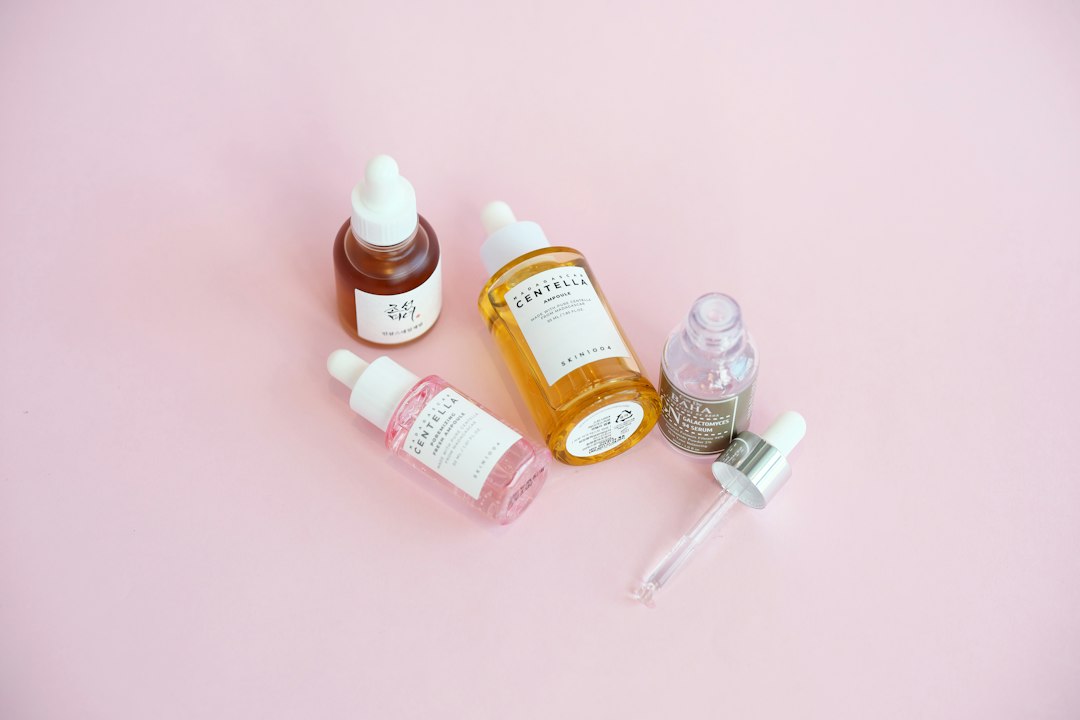
If you want to combine rather than choose, follow these simple rules:
- Morning: Cleanser → Vitamin C (if using) → Hyaluronic Acid → Moisturizer → SPF.
- Evening: Cleanser → Niacinamide (or HA) → Treatment products like retinoids (if any) → Moisturizer.
- When using Vitamin C and niacinamide together: apply vitamin C first in the morning (water‑based), then wait 30–60 seconds before patting niacinamide if both are part of the same routine; or keep them in separate routines (C in AM, niacinamide in PM) to avoid perceived incompatibility and simplify reactions.
- Always layer from thinnest to thickest texture and allow seconds for absorption; if irritation occurs, separate actives by time of day or alternate nights.
Which serum suits which reader: three common profiles
The person noticing dullness, pigmentation, or early lines
Pick a stable vitamin C serum at a concentration you tolerate (start lower if you have sensitive skin). Use it in the morning with SPF to protect results. If you also feel dehydrated, add an HA serum afterward before your moisturizer.
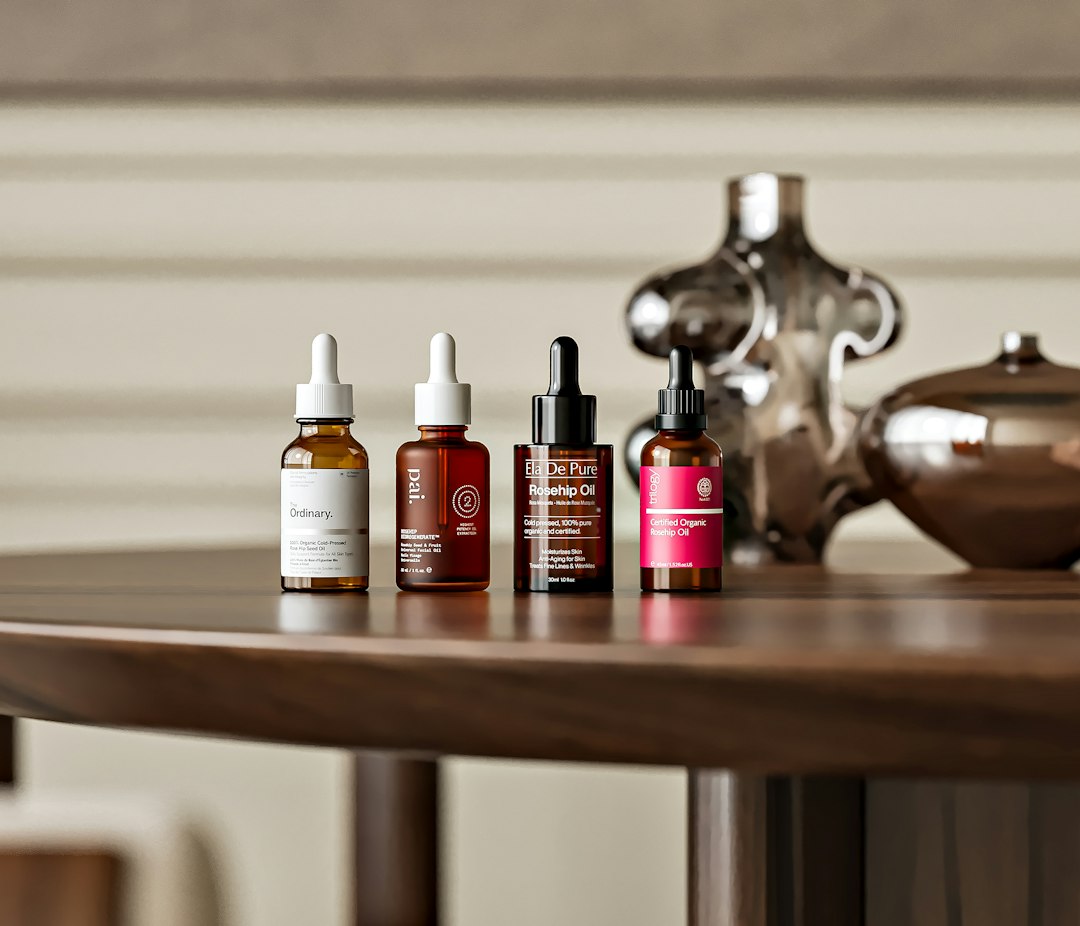
Product option: If you want a store match, try for a focused Vitamin C option aimed at visible signs of aging.
The dehydrated, flaky, or visibly tired skin type
Start with a hyaluronic acid serum to restore plumpness and improve how other products sit on the skin. Follow with a nourishing moisturizer to lock in hydration. HA is low‑risk and gives fast cosmetic payoff while you evaluate actives for longer‑term concerns.
Product option: A highly rated HA choice available in our catalog is .
The oily, acne‑prone, or sensitized face needing resilience
Niacinamide is your go‑to: it calms inflammation, reduces redness, and strengthens the barrier—helpful when using drying acne treatments. Use it twice daily if tolerated. Pair with non‑comedogenic moisturizer and introduce stronger actives slowly.
When not to use each one (short warnings)
- Avoid starting a high‑strength vitamin C if you have severe rosacea or very reactive skin without a patch test.
- Don’t rely solely on HA if your skin needs oil control or pigment correction—it's a hydrator, not a corrective active.
- If you use strong exfoliants or benzoyl peroxide aggressively, introduce niacinamide afterward to help restore barrier function.
Small practical tests to decide in a week
Try this simple experiment: for seven days, use one serum as your primary active (keep other steps minimal). Note immediate changes—hydration, stinging, oil balance—and whether irritation appears. That short trial is often enough to tell which ingredient suits your skin’s baseline needs.
- Identify your single top skin goal for the next 3 months.
- Patch test any new active on your inner forearm for 3 days.
- Plan morning Vitamin C use with daily SPF or evening niacinamide/retinol pairing.
- Lock hyaluronic acid with a moisturizer to prevent moisture loss.
- Pause other actives for a week when testing a new serum to isolate effects.
Match the serum to your immediate skin goal: Vitamin C for brightening and antioxidant defense, Hyaluronic Acid for hydration and plumping, Niacinamide for barrier repair and texture control. You can combine them if you layer thoughtfully—HA can sit with nearly anything, C is generally a morning active with SPF, and niacinamide is a forgiving, everyday supporter.
Can I use all three serums in one routine?
Yes—apply from thinnest to thickest. A common sequence is Vitamin C (AM) → HA → moisturizer; niacinamide can be used AM or PM, often after HA or in the evening to avoid overcomplicating the morning routine.
Will vitamin C and niacinamide cancel each other out?
No—modern formulations and common‑sense layering mean most people can use both. If sensitivity appears, separate by morning/evening or wait a minute between applications.
How long before I see results?
HA shows immediate cosmetic plumping. Niacinamide and vitamin C typically show visible improvements in texture and tone within 4–12 weeks of consistent use.
Which serum should I use with retinoids?
Use hyaluronic acid and niacinamide alongside retinoids to reduce dryness and irritation; avoid layering strong exfoliating acids and high‑strength vitamin C at the exact same time until you know how your skin handles multiple actives.