 Wishlist
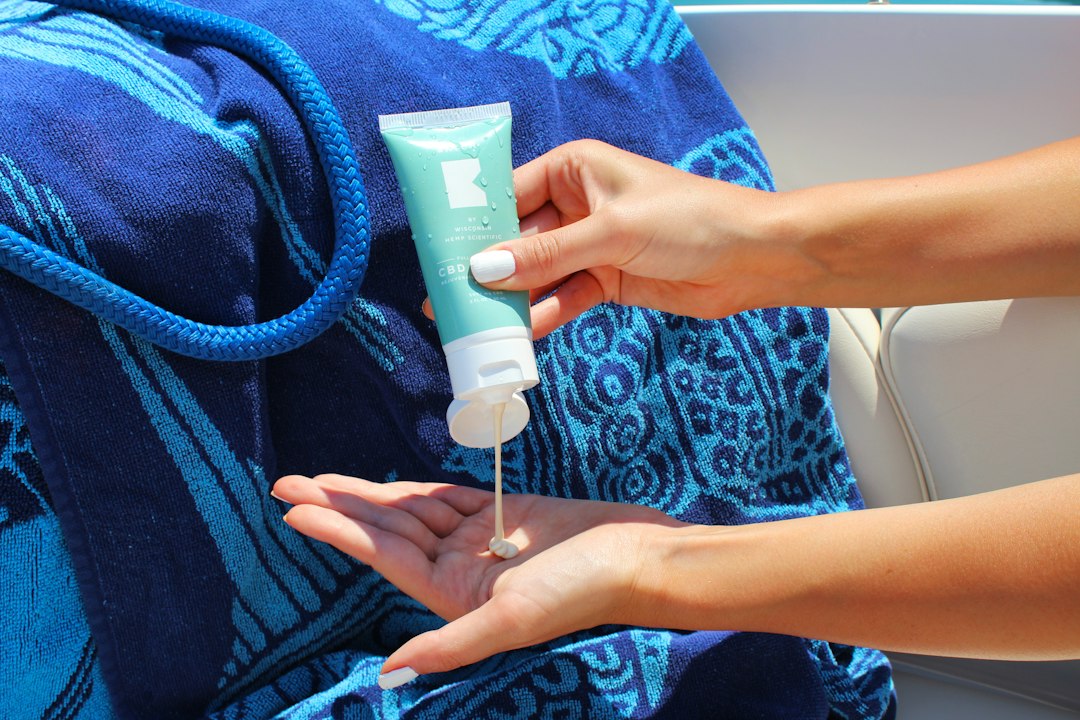
Short answer: mineral vs chemical sunscreen are different in how they block UV—mineral (physical) sunscreens use active ingredients like zinc oxide or titanium dioxide to reflect and scatter UV light immediately, while chemical sunscreens use organic molecules (like avobenzone or octinoxate) to absorb UV energy and convert it to heat. Choose mineral if you have reactive or very sun-sensitive skin, want a simpler ingredient profile, or need reef-safe options; choose chemical if you prefer lightweight, non-whitening formulas and daily cosmetic convenience.
How to decide: the practical criteria that matter
Focus your choice on these user-centered criteria rather than ingredient labels alone:
- Sensitivity and skin conditions (rosacea, eczema, reactive skin)
- Cosmetic finish and skin tone (white cast vs sheer absorption)
- Daily habits and activity (sweat/water exposure, reapplication frequency)
- Ingredient or environmental concerns (allergies, reef safety)
- Layering with makeup and moisturizers
How mineral and chemical sunscreens work—and why that affects wear
Mineral sunscreens use zinc oxide and/or titanium dioxide as tiny particles that sit on the skin surface and scatter incoming UV rays. They start working the moment you apply them and are less likely to irritate. Chemical sunscreens contain organic compounds (for example, avobenzone, octisalate, oxybenzone, octocrylene) that penetrate the upper layer of skin and absorb UV photons, releasing the energy as heat; they require about 15–20 minutes after application to be fully effective.
Meaningful trade-offs to weigh
Sensitivity and irritation
Mineral: gentler for most sensitive skin types and rosacea/eczema because they’re inert, less likely to cause stinging or allergic reactions. Chemical: may irritate some people—fragrance and certain UV filters are common culprits.
Cosmetic finish and the white cast issue
Mineral: older formulas left a noticeable white cast—especially on deeper skin tones—because of particle scattering. Newer micronized/mineral blends reduce this, but some whitening remains with higher mineral concentrations.
Chemical: typically clear or sheer and more cosmetically elegant under makeup; preferred for daily face use if you want invisible coverage.
Texture, layering and makeup compatibility
Chemical sunscreens are usually lighter and layer smoothly under moisturizers and foundations. Mineral sunscreens can be thicker; look for hybrid formulas (mineral + oil-free base or tint) if you want a mineral option that sits well under makeup.
Protection profile and stability
Both types can offer broad-spectrum UVB and UVA protection when formulated correctly. Some chemical filters require stabilizers to protect UV-A coverage; formulas vary. Mineral UV filters are naturally broad-spectrum and more photostable, which reduces breakdown over time.
Environmental and regulatory concerns
Certain chemical filters (notably oxybenzone and octinoxate) have been linked in some studies to coral reef damage and are regulated in places like Hawaii. If reef safety matters, choose mineral formulas labeled reef-safe or check local guidance.
Reapplication and water resistance
Water resistance is a formulation claim, not inherently tied to mineral or chemical type. For swimming or heavy sweating, choose a sunscreen explicitly labeled water-resistant and reapply according to the label—typically every 40–80 minutes when wet.
Which option suits which kind of reader
Think of the following common needs and match them to the better option:
- Reactive or sensitive skin: mineral first. Zinc oxide is soothing and rarely sensitizing.
- Darker skin tones worried about white cast: look for tinted mineral formulas or modern micronized mineral sunscreens, or pick a chemical sunscreen that won’t leave residue.
- Daily cosmetics users who want an invisible finish: chemical sunscreens or lightweight hybrid formulas are often more comfortable under makeup.
- Outdoor sports, heavy sweating, or swimming: prioritize water-resistant formulation and reapplication schedule; both mineral and chemical options exist for active use.
- Environmental caution / reef-safe preference: choose mineral sunscreens or formulas explicitly labeled reef-safe and free of the filters restricted locally.
Product suggestions from Essence of Beauty Boutique
When a local product helps, choose one that matches the need above.
For a mineral pick that balances finish and gentleness, consider our top-rated mineral option for faces:
For a lightweight, everyday chemical-style feel (but with broad usability), the Banana Boat Light As Air option is a convenient alternate for daily wear:
Common application and pairing tips
- Apply about a nickel-to-quarter-sized amount for your face—don’t skimp; under-application greatly reduces SPF effectiveness.
- If using chemical sunscreen, apply 15–20 minutes before sun exposure. Mineral can be applied immediately before going outside.
- Layering: apply sunscreen after your moisturizer and before makeup. Press or pat mineral formulas into the skin to reduce visible residue.
- Reapply every two hours during sun exposure, and immediately after towel-drying or heavy sweating if not water-resistant.
- Check the active ingredients—zinc oxide/titanium dioxide for mineral, listed organic filters for chemical.
- Confirm “broad spectrum” on the label to cover UVA and UVB.
- Choose water-resistant if you’ll swim or sweat; plan to reapply as directed.
- For darker skin tones, test tinted mineral or micronized mineral to avoid white cast.
- If you have sensitive skin, patch-test a new sunscreen on your jawline for 48 hours.
Both mineral and chemical sunscreens can offer excellent protection when used correctly. Let your primary priorities—skin sensitivity, cosmetic finish, activity level, and environmental concerns—drive the choice. If unsure, a gentle mineral face sunscreen or a hybrid formula is a safe first step.
Do mineral sunscreens give immediate protection?
Yes. Mineral sunscreens work on contact and provide protection as soon as they’re applied.
Are chemical sunscreens unsafe?
No—when properly formulated, chemical sunscreens are effective and widely used; some individuals may experience irritation, and regulatory reviews continue for specific filters and environmental impacts.
Which type is better for acne-prone skin?
Look at the overall formula: non-comedogenic, oil-free chemical sunscreens can work well, but many lightweight mineral face sunscreens are also designed for acne-prone skin.
Can I layer a mineral over a chemical sunscreen for extra protection?
Layering isn’t necessary if each product is applied in sufficient amounts; mixing types can affect finish but is safe—just ensure adequate total coverage and reapplication.
How often should I reapply sunscreen?
Reapply at least every two hours when exposed to sunlight, and sooner after swimming, sweating, or towel-drying, unless the label specifies a different interval.