 Wishlist

Common misconception that causes routine mistakes
Many people assume more products or stronger treatments equal faster results. In practice, piling on actives, skipping basics like sunscreen, or using the wrong texture for your skin often stalls progress or worsens sensitivity. Below are ten common skincare mistakes, why each matters, and a clearer approach you can start today.
1. Skipping sunscreen because you’re mostly indoors
Problem: UV exposure through windows and incidental sun during errands still causes cumulative damage.
Why it matters: Daily UV exposure accelerates photoaging and can undermine results from expensive actives like vitamin C or retinoids.
Better approach: Use a broad-spectrum SPF 30+ every morning as the final step in your routine. Reapply after long exposures and consider a mineral formulation if your skin is reactive.
2. Over-exfoliating with scrubs or mixing strong acids
Problem: Using physical scrubs plus multiple chemical exfoliants (AHA/BHA/retinoids) can strip the skin barrier.
Why it matters: Barrier compromise leads to redness, sensitivity, flakiness, and increased irritation from products that previously felt fine.
Better approach: Limit actives to one exfoliating product at a time and space intense treatments 2–3 nights apart. If unsure, switch to gentle chemistry—lower acid concentration or a single weekly physical scrub.
3. Choosing a cleanser that disrupts skin’s natural oils
Problem: Harsh, very foaming cleansers can leave skin tight and overproduce oil to compensate.
Why it matters: That rebound oil makes oily skin worse; dry skin becomes flaky and more permeable to irritants.
Better approach: Match cleanser to skin type—cream or milky cleansers for dry/sensitive skin, mild gel for oily/combination. Avoid high-alcohol formulas and use lukewarm water.
4. Using too much product (or too little) per pump
Problem: Skincare isn’t “more is better.” Heavy layering can clog pores; too little of an active won’t be effective.

Why it matters: Over-application wastes products, increases irritation risk, and can lead to texture issues. Under-application means no measurable benefit.
Better approach: Follow recommended amounts—pea-sized for concentrated creams, 2–3 drops for serums, and a nickel-sized amount for facial sunscreen. Pat products in gently rather than rubbing hard.
5. Applying active treatments in the wrong order
Problem: Putting heavy creams before serums or sunscreen beneath other products reduces effectiveness.
Why it matters: Actives need to contact skin to work; occlusive layers can block penetration or interfere chemically.
Better approach: Apply products from thinnest to thickest—cleanse, toner/essence (optional), serum, moisturizer, then sunscreen. For nighttime, retinoid after cleanse and before moisturizer unless your retinoid directions recommend mixing.
6. Combining incompatible actives without a plan
Problem: Using vitamin C, benzoyl peroxide, AHA/BHA, and retinoids all at once increases chance of irritation or reduced efficacy.
Why it matters: Some combos oxidize or neutralize each other and some sensitize skin, leading to setbacks.
Better approach: Introduce one active at a time and space them—use vitamin C in the morning, retinoids at night, and alternate exfoliating acids with retinoids. When in doubt, patch test and consult product instructions.
7. Ignoring patch tests for new products
Problem: New serums or masks are applied to the face immediately, which can cause widespread reactions.
Why it matters: A small irritation could become a flare requiring weeks to calm, undoing progress.
Better approach: Patch test on the inner forearm or behind the ear for 48–72 hours when trying a new active or product with fragrance or novel preservatives.

8. Skipping moisturizer because your skin is oily
Problem: Oily skin still needs hydration; skipping moisturizer can stimulate more oil production.
Why it matters: Without balanced hydration, skin can overcompensate, clog pores, and respond poorly to treatments.
Better approach: Use a lightweight, non-comedogenic gel or lotion and look for hyaluronic acid or glycerin to hydrate without heaviness. Apply immediately after cleansing to lock in moisture.
9. Relying only on fancy products, not routine consistency
Problem: Expecting a single serum or mask to fix chronic issues while skipping daily basics.
Why it matters: Consistency—cleansing, moisturizing, sunscreen—is the foundation that allows active ingredients to work and maintain skin health.
Better approach: Build a simple, consistent morning and evening routine. Add targeted treatments once the basics are reliable for 4–6 weeks.
10. Not adjusting your routine for seasons, hormones, or medications
Problem: Skin changes with weather, pregnancy, cycle hormones, and systemic meds, yet many keep the same products year-round.
Why it matters: A thin winter moisturizer or a potent acid in dry months can increase sensitivity or reduce barrier repair when you need richer formulations.
Better approach: Reassess every season and when life changes occur. Swap to richer moisturizers in dry months, reduce frequency of exfoliation, or consult your clinician when on new medications.
Product recommendation when sensitivity or barrier repair is a concern
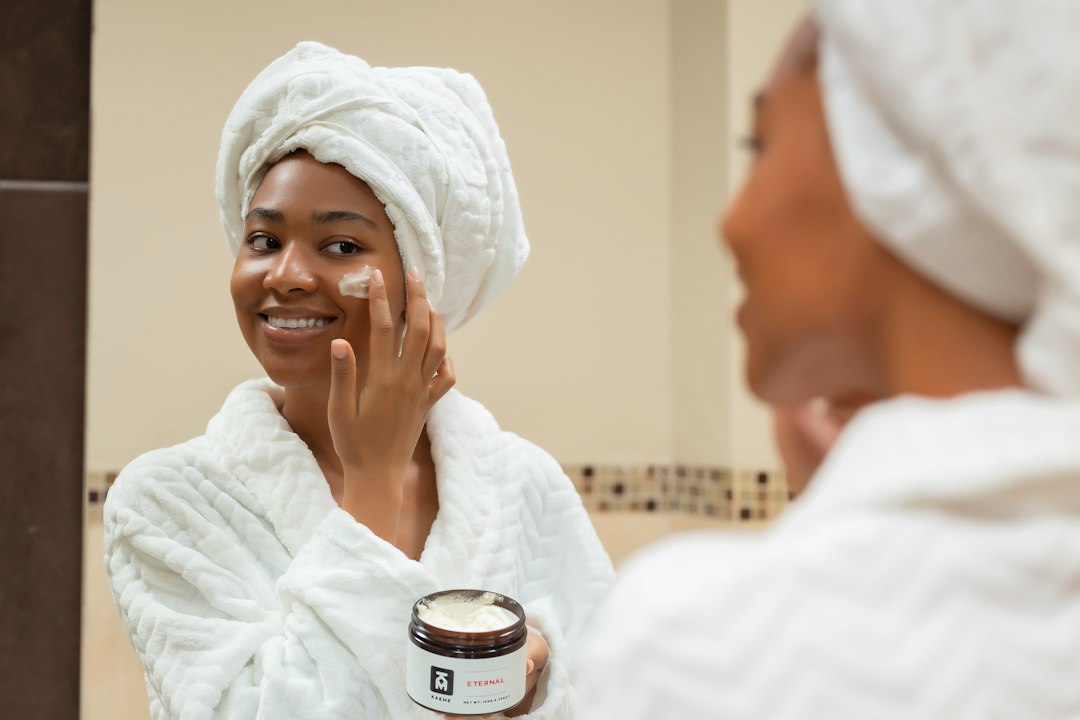
If your main barrier is sensitivity or you need a gentle everyday moisturizer that supports recovery, a non-irritating, fragrance-free option is useful after you’ve cut back on actives and started a repair-focused routine.
- Use broad-spectrum SPF daily and reapply after prolonged sun exposure.
- Limit exfoliating actives to one at a time and space treatments.
- Choose a cleanser and moisturizer suited to your skin texture and sensitivity.
- Patch test new actives for 48–72 hours before facial use.
- Apply products from thinnest to thickest; finish with sunscreen in AM.
Start by simplifying and protecting: daily sunscreen, a gentle cleanser, and a moisturizer that suits your skin type. Introduce one active at a time, patch-test, and adjust seasonally—those steps prevent most common skincare mistakes.
How soon should I expect results after fixing these mistakes?
You'll often see barrier improvement (less redness, less tightness) within 1–2 weeks; measurable changes from actives typically appear after 4–12 weeks depending on the treatment.
Can I use vitamin C and retinol together?
They can be effective in the same routine for some people, but to reduce irritation it's safer to use vitamin C in the morning and retinol at night, or alternate nights.
What’s the best way to layer products?
Apply from thinnest to thickest—cleanser, toner/essence, serums, eye cream, moisturizer, then sunscreen in the morning.
How do I know if I’m over-exfoliating?
Signs include persistent redness, stinging, flaky patches, or increased sensitivity; back off to gentler products and reduce frequency.
Do I need different products for summer and winter?
Often yes: lighter, oil-free textures work better in summer; richer creams and barrier-repair ingredients help in colder, drier months.