 Wishlist

Start with the result: clean, safe tools that perform as well as new
If your goal is fewer breakouts, truer color payoff and longer-lasting brushes, focus on two things and ignore the rest: remove oil/makeup buildup and reduce bacteria. You can safely skip elaborate commercial “brush rescues” for dried-on product—most bristles respond well to gentle soap and consistent care.
Quick routine: how to clean makeup brushes between uses
Use this when you need to switch colors or refresh a brush fast (same day use).
- Wipe or swish: For powder products, brush across a clean tissue or use a microfiber brush-cleaning mat to knock out excess pigment. For creams/liquids, wipe on a damp cloth or run the bristles quickly through a softbrush cleanser.
- Spray disinfectant for shared tools: If you’re testing products on others, a 70% isopropyl spray or alcohol-based brush cleanser on the ferrule and bristles helps reduce surface bacteria; let air-dry a minute before reuse.
Deep clean: how to wash makeup brushes and beauty sponges properly
Do a deep clean weekly for brushes used with liquids/creams or every 2–4 weeks for powder-only brushes.
- Gather supplies: gentle liquid soap (baby shampoo, olive-oil-free dish soap, or a purpose-made brush shampoo), lukewarm water, a clean bowl, and a clean towel.
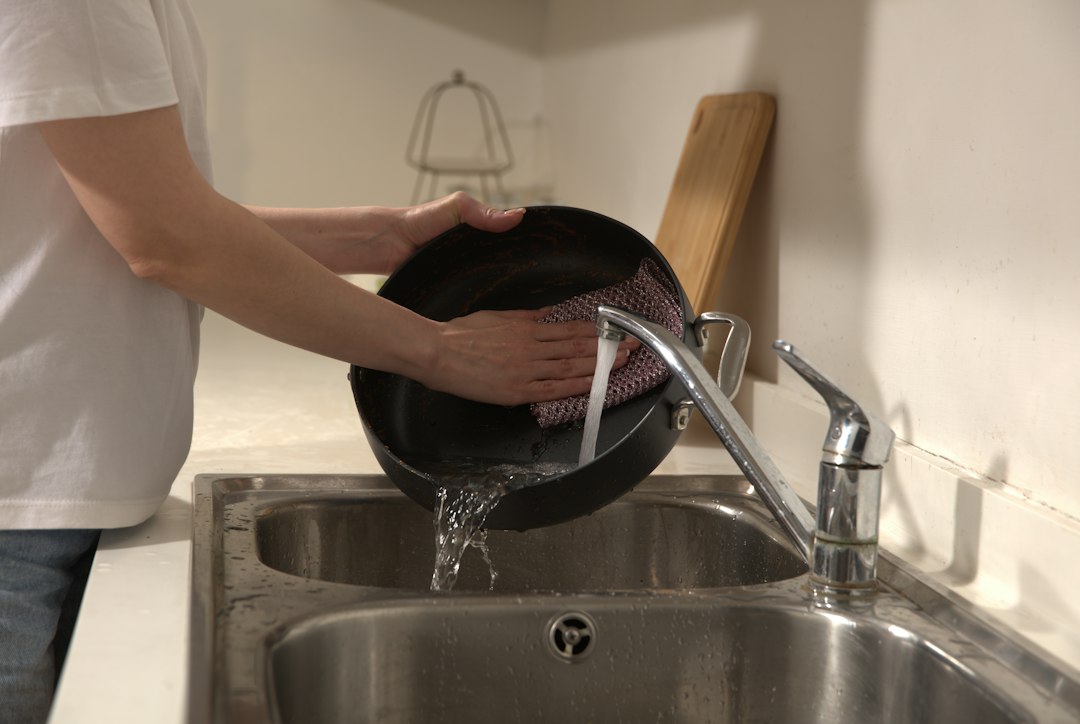
- Rinse bristles under lukewarm water with the brush pointing downward—avoid wetting the ferrule (metal base) and handle to prevent glue failure and swelling.
- Apply soap: put a small amount of soap into your palm or on a silicone cleaning pad, swirl the brush in gentle circular motions to emulsify makeup and oils.
- Rinse thoroughly: keep the brush angled down and rinse until water runs clear. Repeat the soap/rinse cycle for heavily soiled brushes.
- Squeeze and reshape: gently press bristles with a towel to remove excess water and reshape the head to its original form.
- Dry flat: lay brushes flat on a towel with the head overhanging a counter edge so air circulates—never stand brushes upright while wet, which lets water seep into the ferrule.
Cleaning beauty sponges and wedges
Sponges trap makeup and oils inside—regularly deep-clean them to avoid odor and bacteria.
- Soak: fill a bowl with warm water and a teaspoon of gentle soap (or microwave-safe sponge cleaner). Submerge and knead until product lifts.
- Rinse and repeat: rinse under running water, squeezing until water runs clear. If still stained, repeat or soak longer in diluted vinegar for 10 minutes, then rinse well.
- Dry upright: place sponge on a clean surface to air-dry; ensure full drying between uses to prevent mold.
When to disinfect metal and non-bristle tools
Tools that touch the skin directly—tweezers, eyelash curlers, razors, and metal spatulas—need quick sanitizing after each use or before sharing.
- Wipe with 70% isopropyl alcohol or soak metal tools for 5–10 minutes; plastic parts can be wiped but don’t soak if the item has glued parts.
- For eyelash curlers, remove pads periodically and clean the metal and pads to prevent product transfer.
Care variations by bristle type and product used
Synthetic bristles tolerate more frequent washing and stronger cleansers—good for creams and liquid foundations. Natural hair brushes (sable, goat) are softer but more delicate: use a mild shampoo and limit hot water and alcohol-based cleaners to preserve oils.
[h3]Troubleshooting common problems[/h3]Stiff, gummy brushes: Rewash with a small drop of dish soap mixed into shampoo to cut through heavy oil or silicone-based makeup. Avoid boiling brushes—repeat gentle cycles instead.
Loose ferrule or shedding: Stop wetting the handle; dry brushes flat and avoid aggressive twisting. If shedding persists, the set may be low-quality—consider replacing it.
Lingering smell in sponges: Soak 10 minutes in a 1:4 vinegar-to-water solution, rinse thoroughly and air-dry in sunlight when possible.
[h3]When to replace tools entirelyReplace a brush if it continually sheds, the shape is permanently distorted after cleaning, or the ferrule loosens despite careful drying. Replace sponges every 3 months with regular use or sooner if they tear or hold odor.
Recommended product to support regular care
If you want a single, reliable starter set that holds up to regular cleaning, choose a well-reviewed, high-density synthetic brush set—synthetic bristles clean easier and resist bacterial growth when properly maintained.
Storage and small habits that extend tool life
- Store brushes bristle-up in a holder only when fully dry; use organizers with dividers to avoid crushing heads.
- Rotate your routine: have at least two foundation brushes or sponges for daily alternation so each can dry fully between deep cleans.
- Avoid leaving brushes packed in closed, damp bags after use; moisture encourages mold and glue failure.
Quick links to related guidance
For choosing the right tools and pairing them with products, see Makeup Brushes vs. Beauty Sponges: Which Should You Use? and browse brush sets at Makeup Brush Sets.
- Deep-wash liquid/cream brushes weekly; powder brushes every 2–4 weeks
- Always rinse bristles pointing downward to protect the ferrule
- Dry brushes flat with heads overhanging an edge for airflow
- Disinfect metal tools after use or before sharing
- Rotate at least two foundation applicators to allow full drying
- Replace sponges every ~3 months or when they tear
Cleaning makeup brushes is straightforward: remove surface product between uses, deep-clean on a regular schedule, disinfect tools that touch skin, and dry flat. Small habits—proper rinsing angle, gentle soap, and correct drying—prevent damage and keep tools hygienic.
How often should I wash makeup brushes?
Deep-clean brushes used with liquids or creams once a week; powder-only brushes every 2–4 weeks. Quick wipes can be done between uses for color changes.
Can I use dish soap to clean brushes?
Yes—dawn-type dish soap cuts oil well for very dirty brushes, but follow with a gentle shampoo or conditioning rinse for natural-hair brushes to avoid overdrying.
Is it safe to disinfect brushes with alcohol?
Alcohol can be used sparingly on synthetic brushes or as a quick spray between uses, but frequent use may dry natural hair—prefer soap and water for deep cleans.
How should I dry brushes to avoid damage?
Lay brushes flat with the bristles overhanging a counter edge so water won’t travel into the ferrule; never dry them upright while wet.
Can I microwave or boil sponges to sanitize them?
Some sponges can be microwaved wet for short periods, but check manufacturer guidance—microwaving can damage certain materials. Warm soapy soaking and vinegar rinses are safer universal options.