 Wishlist
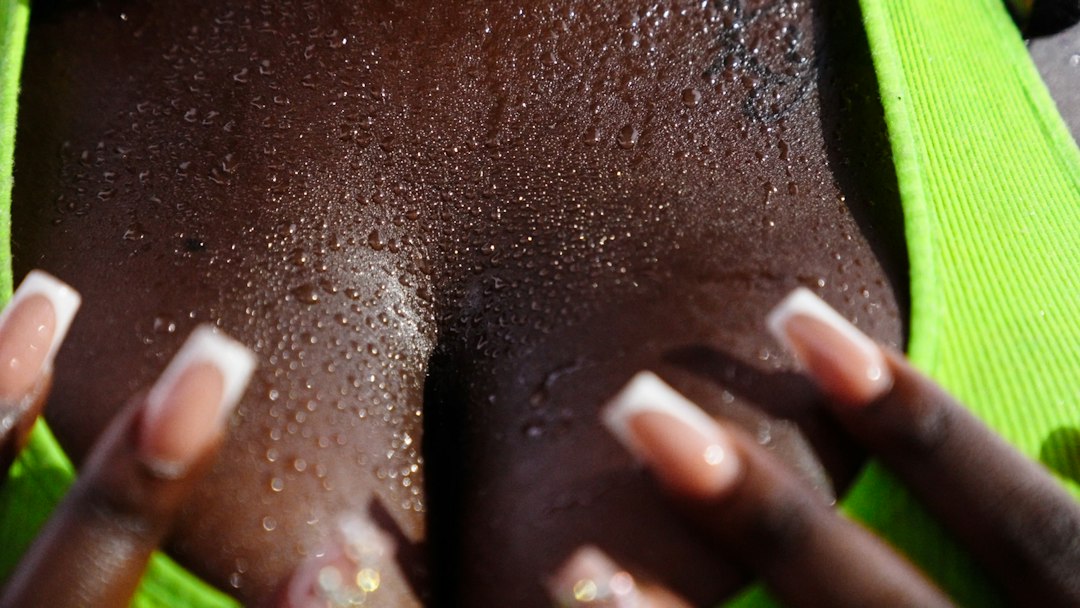
Start with the result: smoother, softer skin without irritation
Exfoliation removes dead skin cells so moisturizers absorb better and skin feels smoother; done improperly it causes redness, dryness and barrier damage. This guide shows exactly how to exfoliate your body safely—choosing a method, timing it, picking tools or products, and restoring moisture—so you get visible results without setbacks.
Decide which exfoliation method fits your skin
The two practical categories are physical and chemical exfoliation. Choose one primary method per session rather than layering them together for the same area.
- Physical exfoliation — scrubs (sugar, salt, or beads), exfoliating gloves, mitts, or dry brushing. Best for textured areas like knees, elbows, feet, and rough patches. Use gentler abrasives on sensitive or thin-skinned areas.
- Chemical exfoliation — alpha hydroxy acids (AHAs) like glycolic or lactic acid, and beta hydroxy acid (BHA) like salicylic acid. AHAs brighten and smooth; BHAs penetrate pores and help keratosis pilaris. Better for all-over smoothing and for people prone to irritation from friction.
Prepare your skin: timing and setting
Exfoliate when skin is warm and slightly softened—after a warm shower or bath for physical scrubs, or on clean, dry skin for dry brushing. For chemical exfoliants, follow the product instructions: some are applied to dry skin, others are designed for use in the shower.
Step-by-step: how to exfoliate body with a scrub

- Warm shower: let steam soften the skin for 2–5 minutes.
- Wet skin lightly and scoop a small amount of scrub—about a quarter-sized dollop for one leg or arm.
- Use light pressure and circular motions. Work from ankles upward on legs and from wrists toward shoulders on arms to encourage circulation and lymph flow. Spend about 30–60 seconds per area.
- Rinse thoroughly with lukewarm water. Pat dry—do not rub vigorously.
- Immediately apply a rich moisturizer or body oil while skin is slightly damp to lock in hydration.
Step-by-step: how to dry brush and when to avoid it
Dry brushing is a gentle, quick ritual that sloughs surface cells and stimulates circulation.
- Use a natural-bristle brush. Brush on dry skin before showering.
- Always brush toward the heart using long strokes on arms and legs, and small circular motions for joints and torso.
- Limit to 2–3 minutes max. Follow with a shower and moisturizer.
Avoid dry brushing if you have active eczema, open wounds, sunburn, inflamed acne, or very thin/fragile skin—it can worsen irritation.
Using chemical exfoliants safely
Choose concentration and frequency by skin tolerance. Start low—5–8% AHA or 1–2% salicylic acid for body—and patch-test. Typical uses:
- For rough patches and keratosis pilaris: lotions with lactic acid (4–10%) applied nightly or every other night until improvement.
- For overall smoothing and brightness: 5–10% glycolic products used 1–3 times weekly, building frequency as tolerated.
- For body acne or clogged pores: 1–2% salicylic acid treatments 2–3 times weekly.
After applying a leave-on chemical exfoliant, skip other actives (retinoids, other acids) on the same area for 24–48 hours and always moisturize.

How often should you exfoliate?
Frequency depends on method and skin sensitivity:
- Physical scrubs: 1–2 times per week for most skin types; sensitive skin once weekly or every 10 days.
- Dry brushing: up to every other day if tolerated, or 2–3 times weekly.
- Chemical exfoliants: start 1–3 times per week and increase only if skin stays calm.
Choose the right product or tool
Match the choice to the target area. For example, thicker scrubs with Himalayan salt or sugar do well on feet and heels; finer sugar or jojoba bead scrubs work better on thighs and torso. For body acids, lactic acid is less likely to sting and is moisturizing; glycolic is stronger for stubborn roughness.
Recommended store pick: if you want a moisturizing physical scrub to begin with, consider the Dove Exfoliating Body Scrub (ID 2987) as a gentle, hydrating option after exfoliation—use it where skin is roughest and follow with a body butter if needed.
Post-exfoliation care to preserve the barrier
The work isn’t done after scrubbing. Rebuilding the moisture barrier prevents dryness and prolongs results:
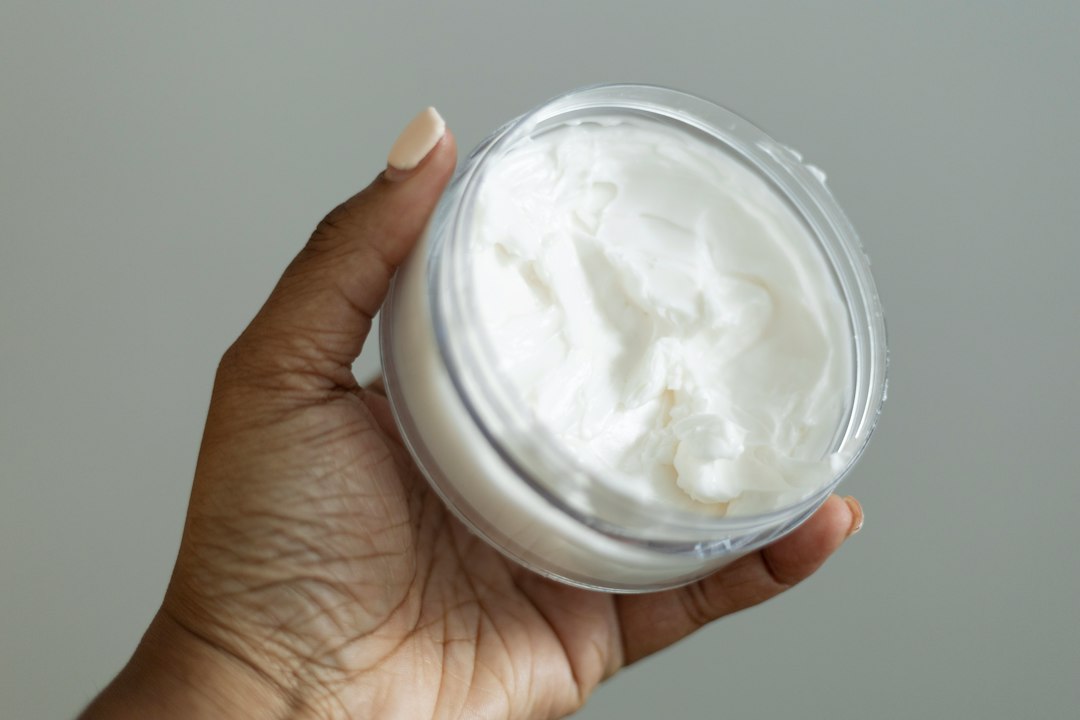
- Apply a nourishing moisturizer or body butter within three minutes of drying. For very dry areas, a whipped body butter or cream is ideal.
- Use gentle cleansers between exfoliation sessions—avoid daily use of harsh soaps that strip oils.
- Protect treated areas from sun exposure; AHAs increase sun sensitivity. Use SPF on exposed areas if you’ll be outside within 48 hours.
Troubleshooting and adaptations
If you notice persistent redness, stinging, or flaking after two days, reduce frequency and switch to a gentler product (lactic acid or a finer scrub). For bumpy keratosis pilaris, consistency matters—gentle chemical exfoliants plus heavy moisturization often help more than aggressive scrubbing. If you have a chronic skin condition, check with your dermatologist before trying acids or new tools.
Helpful habits to extend results
- Moisturize daily, focusing on treated areas.
- Swap to a mild body wash and avoid hot showers that dry skin.
- Replace disposable scrubs and mitts regularly to avoid bacterial buildup.
- Keep a small routine: exfoliate one area per session if you prefer more frequent sessions with minimal irritation (e.g., legs Monday, arms Thursday).
- Choose physical or chemical method for each area.
- Patch-test new chemical exfoliant on a small area first.
- Limit scrub pressure and time—about 30–60 seconds per zone.
- Moisturize within three minutes after drying.
- Use SPF on exposed skin after chemical exfoliation.
- Pause exfoliation for irritated, sunburned or broken skin.
Effective body exfoliation is a balance of method, frequency and follow-up care: choose the right tool or acid, start gently, and always replenish moisture to avoid irritation. Regular, moderate exfoliation will improve texture without compromising skin health.
Can I exfoliate every day?
Generally no—daily physical exfoliation can damage the skin barrier. Some gentle chemical products designed for daily use exist, but most people benefit from 1–3 sessions per week depending on tolerance.
Which is better for body: salt or sugar scrub?
Salt scrubs are coarser and better for very rough areas like feet; sugar scrubs are finer and dissolve faster, making them preferable for larger or more sensitive areas.
Can I use a facial AHA on my body?
Facial AHAs are often lower strength; using a product formulated for the body is safer because concentrations and pH are adjusted for larger-surface use and different tolerance.
What should I do if exfoliation causes a rash?
Stop exfoliating immediately, apply a gentle moisturizer and avoid other actives. If rash persists beyond a few days or worsens, consult a dermatologist.
Do exfoliants help keratosis pilaris?
Yes—regular use of lactic acid or salicylic acid lotions can improve keratosis pilaris by softening plugs and smoothing texture, combined with consistent moisturization.