 Wishlist
That week after every styling day when your hair feels rough, tangly and lifeless—should you use a hair mask or a deep conditioner?
If you’ve stood in front of your shower weighing two identical-seeming tubs, you’re not alone. Use the right product for the right goal and you’ll restore softness, reduce breakage and cut down styling time. Use the wrong one and you’ll waste time (and product). This article answers the core question fast: hair masks vs deep conditioners—what each does, how to choose, and which of our shop picks helps where.
How to decide: the three things that matter
Stop thinking about names and start with outcomes. Ask yourself:
- Primary problem: is the hair dehydrated (dry, frizzy, thirsty) or structurally damaged (split ends, breakage, chemical damage)?
- Hair texture and density: fine, low-density hair tolerates heavy formulations poorly; thick/coarse hair can handle richer products.
- Frequency and time: do you need a 5‑10 minute weekly boost or an occasional 20–30 minute intensive rescue?
What each product actually does (and why the names overlap)
Both hair masks and deep conditioners are concentrated conditioning treatments. The practical difference comes from formulation and recommended use.
- Deep conditioners are usually lighter, rinse-out treatments designed for regular use (weekly to every other wash). They focus on detangling, smoothing the cuticle and replenishing moisture. Many work well in 5–15 minutes.
- Hair masks are typically thicker, more emollient and sometimes include higher levels of oils, humectants or proteins. Masks aim for a stronger restorative effect—repairing and sealing the strand with longer sit times (15–30+ minutes) and occasional use (weekly to monthly) depending on severity.
Brands blur these lines—some masks are marketed as “deep conditioners” and vice versa—so read the product claims and ingredient list rather than relying on the label alone.
Trade-offs: what you gain and what you risk
Below are the realistic trade-offs to weigh against your three decision criteria.
- Intensity vs. manageability: Masks deliver more immediate softness and slip but can weigh down fine or low-volume hair. Deep conditioners are safer for regular use and preserve movement.
- Hydration vs. protein balance: Hydrating masks and conditioners add moisture and shine; protein-rich masks or treatments rebuild strength. Too much protein can make hair brittle; too little leaves structure weak. If hair is gummy after treatment, that’s often excess protein.
- Time and convenience: Quick deep conditioning fits into busy routines; masks usually require longer sit times and sometimes heat to be fully effective.
- Scalp effects: Most masks are strand-focused. If your scalp is oily or sensitive, avoid heavy masks on roots and concentrate on mid-lengths to ends.
Which to choose for common hair concerns
Here’s practical guidance by situation—pick the one that matches your main goal.
Dry, thirsty hair (frizz, no shine)
Choose a hydrating mask if your hair is dry from weather, heat, or frequent washing. Masks with coconut, argan, shea or glycerin provide noticeable moisture. Use weekly; shorten time if hair becomes oily at the roots.
Chemically treated or highly damaged hair (bleached, perm, lots of heat)
Start with a protein-containing mask for a 15–30 minute rescue, then alternate with moisturizing deep conditioners. Too much protein? Switch to moisture-first products and use protein every 4–6 weeks.
Fine, thin or low-density hair
Prefer lightweight deep conditioners used in shorter sessions (3–10 minutes). Avoid rich masks on the scalp; apply sparingly to mid-lengths and ends. Look for “weightless” or “volume-friendly” claims.
Curly, coily or highly textured hair
These hair types generally benefit from richer masks because they need more moisture to fight shrinkage and frizz. Use a weekly mask and a leave-in conditioner afterward to lock in softness and definition.
Scalp-prone or oily roots
If product buildup or oiliness is the main issue, use a deep conditioner focused on ends and consider clarifying shampoo periodically. Heavy masks on roots can exacerbate oiliness and itch.
How to use each for best results
Small technique differences make a big impact.
- Apply to clean, towel-damp hair for best absorption. Masks and deep conditioners penetrate better after shampooing.
- Use a wide-tooth comb or your fingers to distribute product evenly, focusing on mid-lengths and ends.
- For masks: heat increases penetration—wrap hair in a warm towel or sit under a hooded dryer for 10–20 minutes if the product recommends it.
- Rinse thoroughly with cool-to-lukewarm water to help close the cuticle and preserve shine.
- Follow a protein/makeup schedule: if you use a protein mask, follow with a moisturizing deep conditioner the next wash if hair feels tight.
Product recommendation tailored to typical needs
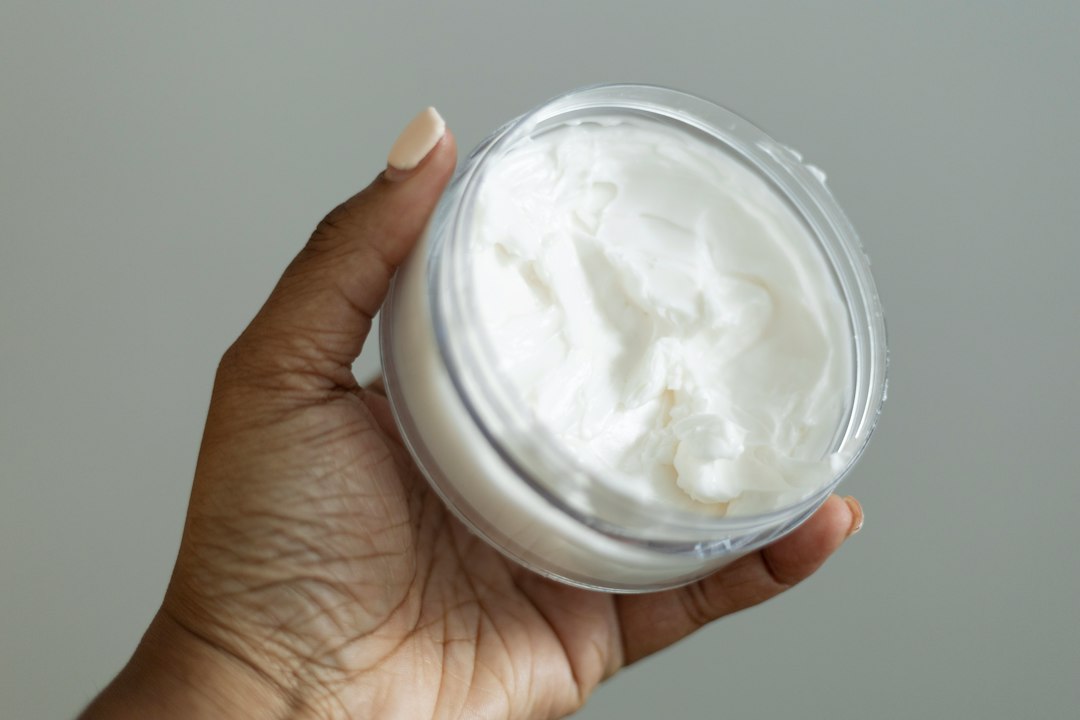
After assessing hundreds of options in the store catalog, one strong all-around pick for intense hydration is useful for weekly rescue while still being approachable for first-time mask users.
Why this works: the formula focuses on coconut oil for hydration and is best for dry, heat-stressed or chemically treated hair. Use it as a weekly mask on mid-lengths to ends; reduce frequency on fine hair.
When to swap strategies or see a pro
If a moisturizing mask stops helping after a couple of uses, check porosity and protein balance—hair that feels limp may need less oil and more protein, or vice versa. For rapid shedding, scalp irritation, sudden texture changes or medical concerns, consult a dermatologist or trichologist before continuing intensive treatments.
Where this fits into your routine
General starter schedules:
- Normal to oily hair: deep conditioner 1× weekly or every other wash.
- Dry/curly/coarse hair: mask 1× weekly + deep conditioner as needed.
- Damaged/chemically treated hair: alternate protein masks (every 4–6 weeks) with hydrating deep conditioners weekly.
- Identify whether your main issue is dryness, breakage, or limpness.
- Check hair texture: fine hair = lighter formulas; coarse/curly = richer masks.
- Read labels for “protein,” “hydrating,” or “weightless” cues rather than relying on the name.
- Apply heavy products to mid-lengths and ends, avoid roots if oily.
- Use heat with masks for deeper penetration; rinse with cool water to close cuticles.
- Track results for 4–6 weeks and adjust frequency or protein vs moisture ratio.
Deep conditioners are the routine, low-risk maintenance option; hair masks are a more intensive fix for pronounced dryness or damage. Choose based on your hair’s current condition, not the product label—then adjust frequency and formula until you see consistent improvement.
Can I use a hair mask every wash?
You can, but it depends on the mask and your hair type; heavy masks may weigh down fine hair—most people do best with weekly use, adjusting by results.
Is a deep conditioner the same as a leave-in?
No. Deep conditioners are rinse-out treatments used during the shower; leave-ins stay on hair to provide ongoing moisture and protection.
How do I tell if my hair needs protein or moisture?
Protein-deficient hair often feels mushy when wet and snaps when dry; moisture-deficient hair feels dry, brittle and lacks shine. Rotate treatments and observe changes.
Can masks cause buildup?
Yes—oil-heavy masks can build up over time, especially at the roots. Use clarifying shampoo occasionally and limit mask use if buildup appears.
Should I apply treatment to the scalp?
Generally no, unless the product specifically targets the scalp; most treatments are for mid-lengths and ends to avoid greasiness and irritation.