 Wishlist
Deciding factors to use before you choose
A common small misconception: people often pick tools only because a tutorial used them. The better approach is to decide by outcome — the finish you want, the product formula you use, how quickly you need to get ready, and how much upkeep you’ll tolerate. The phrase makeup brushes vs beauty sponges captures the core choice: brushes generally buff and place product, sponges typically sheer and blend by pressing. Keep these four decision criteria in mind as you read: finish and coverage, product compatibility and waste, speed and precision, and cleaning/hygiene.
Finish and coverage: what each tool creates
Brushes: Dense, flat-top or buffing brushes give medium to full coverage when used with stippling or circular motions. They’re ideal when you want buildable coverage without heavy layering. Brushes can produce an airbrushed, slightly matte or skin-like finish depending on bristle density and foundation formula.
Sponges: Beauty sponges (when used damp) deliver a skin-like, dewy finish with lighter, more diffused coverage. They’re excellent for sheering out heavy foundation or for blending cream products into the skin without streaks. For full coverage looks, sponges can work but often require multiple layers, which can feel heavier.
Product compatibility and product waste
Brushes
- Best with powders, thicker creams, and many liquid foundations — synthetic bristles resist absorbing water-based foundations and are easier to load precisely.
- Minimizes product waste compared with some sponges; a well-packed synthetic brush will leave less foundation in the tool.
Beauty sponges
- Shine with water-based liquids, BB creams, tinted moisturizers and cream contour products — the damp sponge hydrates and helps thin formulas blend seamlessly.
- Will absorb more product, especially if too wet or porous; choose a dense sponge or blot after dampening to reduce waste.
Speed, control and where each tool excels
Speed: A sponge can be faster for a quick, “your-skin-but-better” base because one or two presses across the face blend foundation quickly and evenly. Brushes take slightly longer but let you target and layer areas with more control.
Control and precision: Use small synthetic brushes (flat concealer, small tapered) for spot concealing, around the nose, and for precise contour edges. Sponges are forgiving and blend soft edges brilliantly, but they’re not ideal for tiny zones where you need crisper placement.
Hygiene and maintenance realities
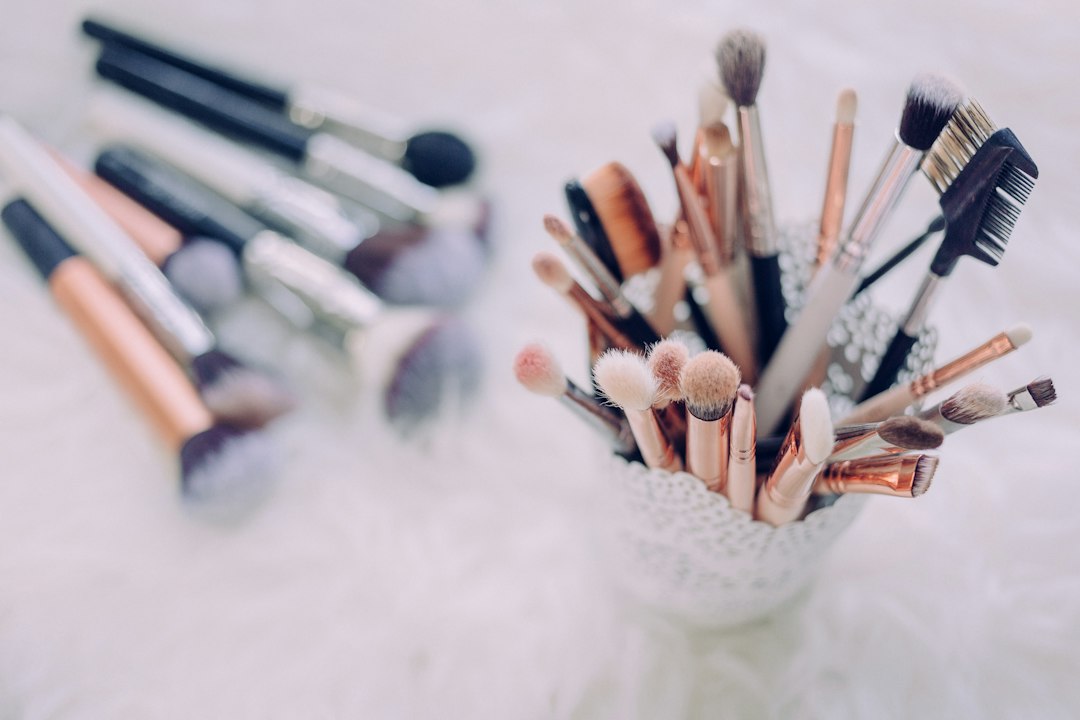
Brushes: For daily foundation use, wash dense face brushes once a week with a gentle brush cleaner or mild shampoo; quicker weekly cleaning keeps oil buildup and bacteria down. Brushes dry faster and are less fragile if you clean them properly.
Sponges: Because they stay damp and are porous, sponges trap moisture and product — wash after every use or at least every 2–3 days and replace every 1–3 months depending on frequency. Squeezing, air-drying upright, and occasional microwave/steaming sanitization (check manufacturer guidance) help but don’t eliminate wear.
Durability and cost-per-use
Brushes tend to last longer—high-quality synthetic brush sets can be a one- to several-year investment with care. Sponges usually need replacement more frequently; even premium sponges become discolored and begin to tear. If you want longevity per dollar, brushes often win. If you prefer lower upfront cost and frequent replacement for hygiene, sponges are viable.
Which tool suits which makeup user?
Choose brushes if you:
- Want buildable, medium-to-full coverage with a polished finish.
- Work often with powders, cream-to-powder products, or heavier liquid foundations.
- Need precision for contouring, cream bronzer, and spot concealing.
- Prefer lower product waste and longer-lasting tools.
Choose beauty sponges if you:
- Prefer a dewy, skin-like finish and lighter coverage.
- Use water-based or thin liquid formulas (tinted moisturizers, BB creams, hydrating foundations).
- Want a quick, blended base with minimal visible brush strokes.
- Don’t mind replacing tools more often for hygiene or finish reasons.
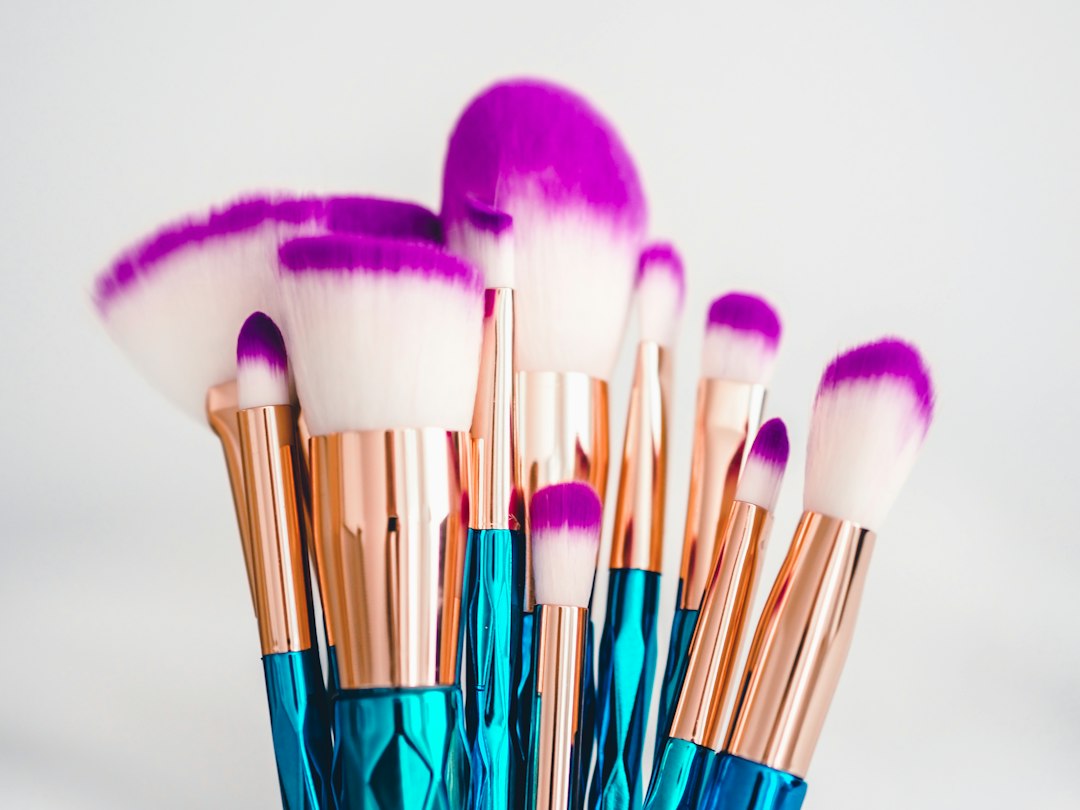
Product note: for readers seeking a dependable brush set that covers most face needs, the 57-piece brush collection provides dense synthetic bristles suitable for foundation, powder, and detailed work—useful for someone switching from sponges to brushes and wanting a full kit.
Hybrid approaches and practical routines
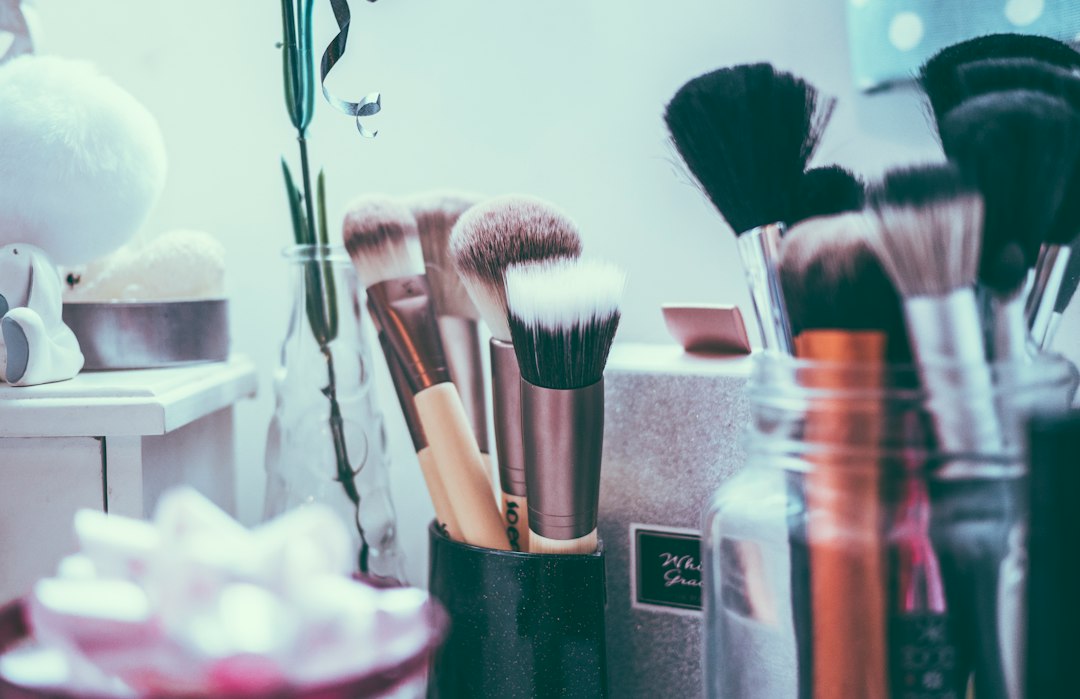
You don’t have to choose one. Many routines mix both: apply foundation with a synthetic brush for coverage and finish with a damp sponge to press product into the skin for a softened edge. Or use a sponge for concealer under the eye to avoid cakiness and a brush elsewhere for faster coverage.
- Decide your usual finish: dewy (sponge) or buffed/airbrushed (brush).
- Match the tool to the product formula you'll use most often.
- Plan cleaning frequency: brushes weekly, sponges after every use or every 2–3 days.
- Inspect sponge density or brush bristle type before purchase (synthetic for liquids/creams).
- Budget for replacement: sponges more often, brushes less often but higher initial cost.
Makeup brushes vs beauty sponges is really a question about finish, product type, and maintenance. Brushes offer buildable coverage, precision and long-term value; sponges give a fast, skin-like finish and soften edges but require more frequent cleaning and replacement. Most people benefit from keeping at least one of each on hand and choosing by the look you want that day.
Can I use a sponge with powder products?
Yes—sponges can apply powder for setting if used dry, but they won't provide the same even distribution as a fluffy powder brush and may absorb some product.
Will a sponge waste my foundation?
A sponge can absorb more foundation, especially if overly wet; blot excess water after dampening and use a dense sponge to reduce waste.
How often should I replace brushes and sponges?
Replace sponges every 1–3 months with regular use. Brushes can last years if cleaned weekly and stored properly, though replace any with shedding bristles or a misshapen head.
Are synthetic brushes better than natural hair for foundation?
Synthetic bristles are preferable for liquid and cream foundations because they repel moisture and are easier to clean; natural hair works better for certain powders but is less ideal for creams.
What’s the easiest routine for beginners?
Start with a small flat brush or dense buffing brush for base, plus a single damp sponge to blend edges and under-eye concealer—this combo covers precision and a blended finish without many tools.