 Wishlist
Answer first: the shortest route
To make your makeup last all day without looking cakey, start with well-prepped skin, use thin layers of compatible products (hydrating primer, lightweight foundation, targeted concealer), set only where needed with translucent powder, lock with a fine mist setting spray, and manage shine with blotting paper rather than piling on more product. This combination preserves natural skin texture while extending wear.
Why this works
Longevity and “cakey” texture are controlled by three things: skin hydration balance, product weight/formulation, and layering technique. Over-application and mixing heavy formulas cause buildup; dehydration or excess oil either flakes or breaks down make-up. The goal is even adhesion of thin layers that respond well to heat, sweat, and oil without adding visible thickness.
Prep: clean, hydrate, target prime
Start with a clean face. If you wear active skincare (retinol, acids), apply them the night before rather than immediately before makeup. In the morning:
- Cleanse lightly (gel or cream cleanser depending on skin type).
- Apply a lightweight moisturizer and wait 60–90 seconds until it sinks in; skin should feel hydrated, not slippery.
- Use a primer that matches your skin need: hydrating primers for dry skin, silicone or mattifying primers for oily zones. Apply primer only where you need it—T-zone for oil control, cheeks for smoothing fine pores.
Choose the right foundation and concealer
Pick lightweight, buildable formulas: thin liquid foundations or hydrating tinted formulas work best to avoid cakiness. Full-coverage cushion or cream foundations are harder to keep thin and often look heavy by midday. For concealer, use it sparingly on problem areas and blend immediately.
Practical product selection
Products labeled “long-wear” or “transfer-resistant” can help, but they often dry matte; if you prefer a natural finish, choose a product marketed as “all-day” with a lightweight texture. Use the focus keyphrase—makeup last all day—by prioritizing formulas designed to adhere without heavy powdery residue.
Application order and technique for a natural finish

- Prime where needed (thin pea-sized amount overall).
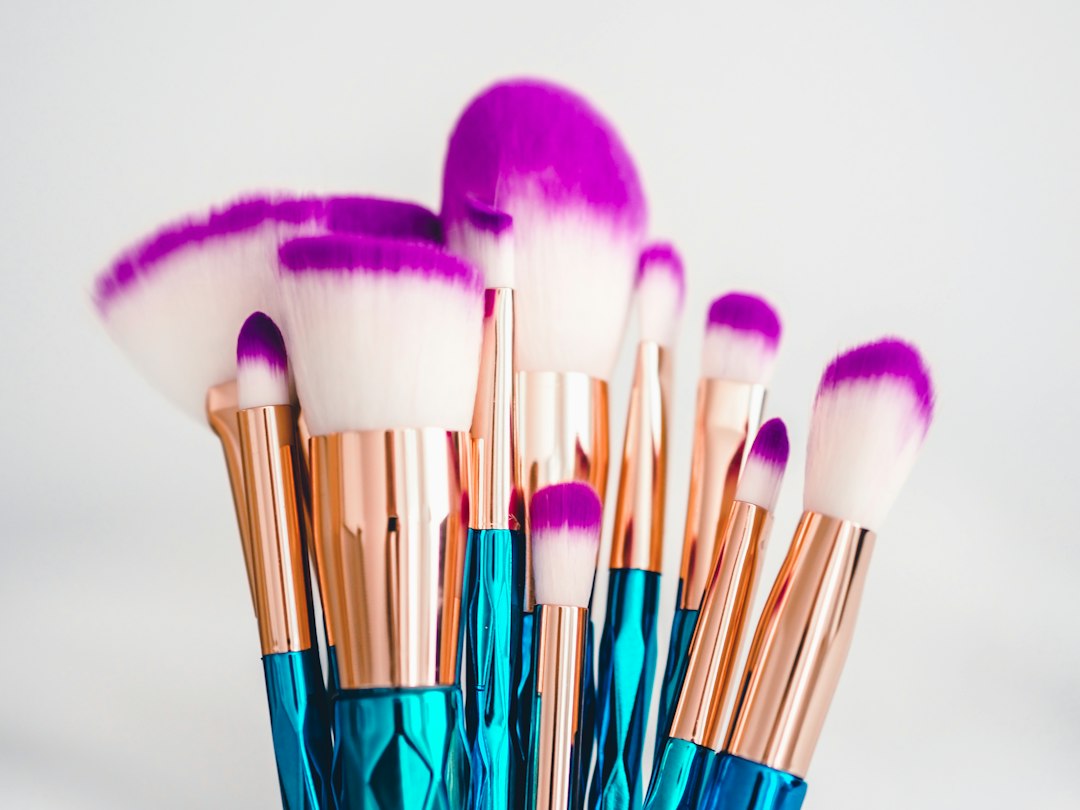
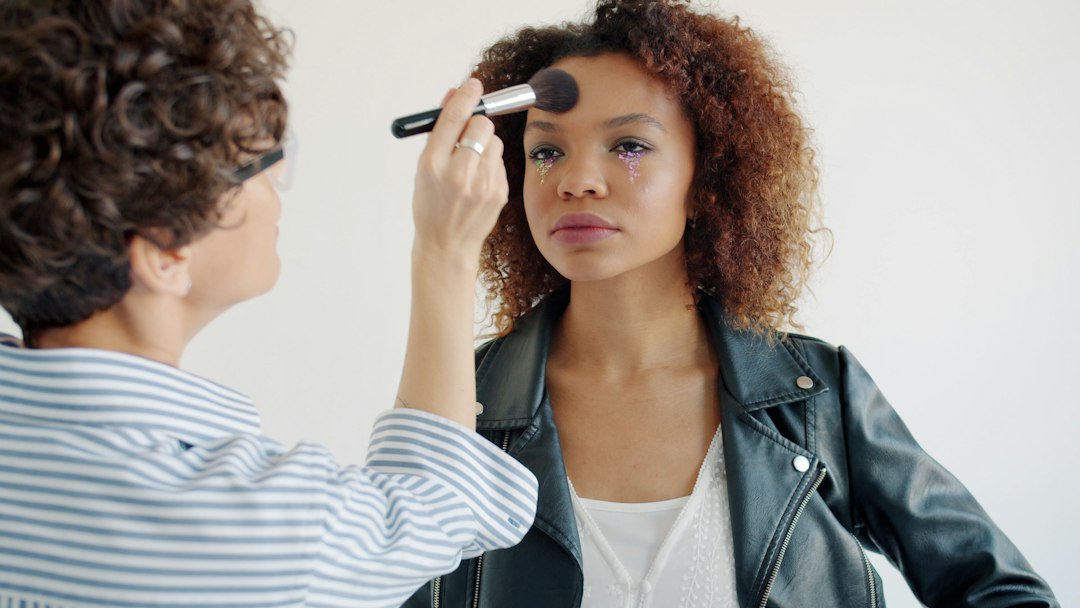
- Apply foundation using a damp sponge or a dense stippling brush: start from the center of the face and blend outward in thin layers. Press—don’t drag—to maintain skin texture.
- Spot-conceal only on blemishes or under-eye, then lightly tap to blend. Avoid dragging concealer across large areas.
- For cream products (bronzer, blush), use a small amount and blend with fingers or a brush to melt product into skin; creams layer better than powders for a natural look.
Set smartly—where you need it, not everywhere
Setting everything with heavy powder is the classic cause of cakey makeup. Instead:
- Use a thin dusting of translucent setting powder only in high-motion or creasing areas (under-eye, around nose, T-zone). Apply with a small, fluffy brush or a puff pressed and rolled for under-eye.
- For dry skin, skip powder on the cheeks and apply only a tiny amount on the chin or nose if required.
Lock it in: the right setting spray and when to use it
A fine-mist setting spray is essential to meld layers and reduce powdery finish. Spray once from arm’s length in an X and T motion about 8–10 inches away. Let it evaporate naturally—don’t fan it—and wait 2–3 minutes before touching your face. If you struggle with midday oil, a lightweight mattifying setting spray can be used instead, but avoid heavy polymer sprays that can feel stiff.
Manage midday touch-ups without adding cake
When your makeup needs help during the day:
- Blot excess oil with blotting papers—press, don’t rub. This removes shine without removing product.
- If you need coverage, use a tiny amount of liquid foundation or concealer on a sponge and press into the spot—avoid reapplying powder to an already powdered area.
- To freshen up glow, lightly mist a hydrating setting spray and then add a touch of cream highlighter or cream blush blended with clean fingers.
Troubleshooting: common issues and quick fixes
- Pilling or flaking: Caused by incompatible primers or too many silicone-based layers. Remove excess with a damp cloth and restart that area with a thinner layer.
- Foundation separates by midday: Usually oil breaking down foundation. Blot and press a thin layer of powder only where separation happened, then mist lightly with setting spray.
- Makeup feels heavy after touch-ups: You’re layering too much product. Use targeted liquid concealer on a sponge instead of all-over powder.
- Cleanse and hydrate morning skin; avoid heavy treatments right before makeup.
- Use a targeted primer—one that addresses oil or dryness where needed.
- Apply foundation in thin layers with a damp sponge or stippling brush.
- Set only trouble spots with translucent powder; over-powdering causes cakiness.
- Lock with a fine-mist setting spray and blot, don’t powder, during the day.
Making your makeup last all day without cake comes down to preparation, product choice, disciplined layering, and smart touch-ups. Prioritize hydration, use lightweight long-wear formulas, and set selectively—this keeps the finish natural while extending wear.
Does setting spray replace powder?
A setting spray melds layers and reduces a powdery look, but it doesn't absorb oil like a powder; use spray to finish and powder only where oil or creasing occurs.
Can oily skin still avoid cakey makeup?
Yes—use mattifying primer in the T-zone, lightweight foundation, blotting papers, and spot powder instead of all-over powder to control oil without heaviness.
How often should I blot during the day?
Blot as soon as noticeable shine appears; one or two presses to each oily area is usually enough. Over-blotting can remove coverage.
Are cream products better than powders for long wear?
Creams generally blend into skin texture and layer naturally, which can help avoid cakiness—use creams for blush/bronzer, then set sparingly.
What tool prevents cakey application?
A damp beauty sponge or a dense stippling brush applied with pressing motions creates a thin, skin-like finish that avoids streaks and excess buildup.